As Twin Falls irrigation season reaches its peak, your sprinkler system is working overtime to keep your lawn and garden healthy through Idaho’s hot summer months. But while you’re focused on maintaining that perfect green lawn, there’s a hidden danger that could be putting your family’s drinking water at risk: backflow contamination.
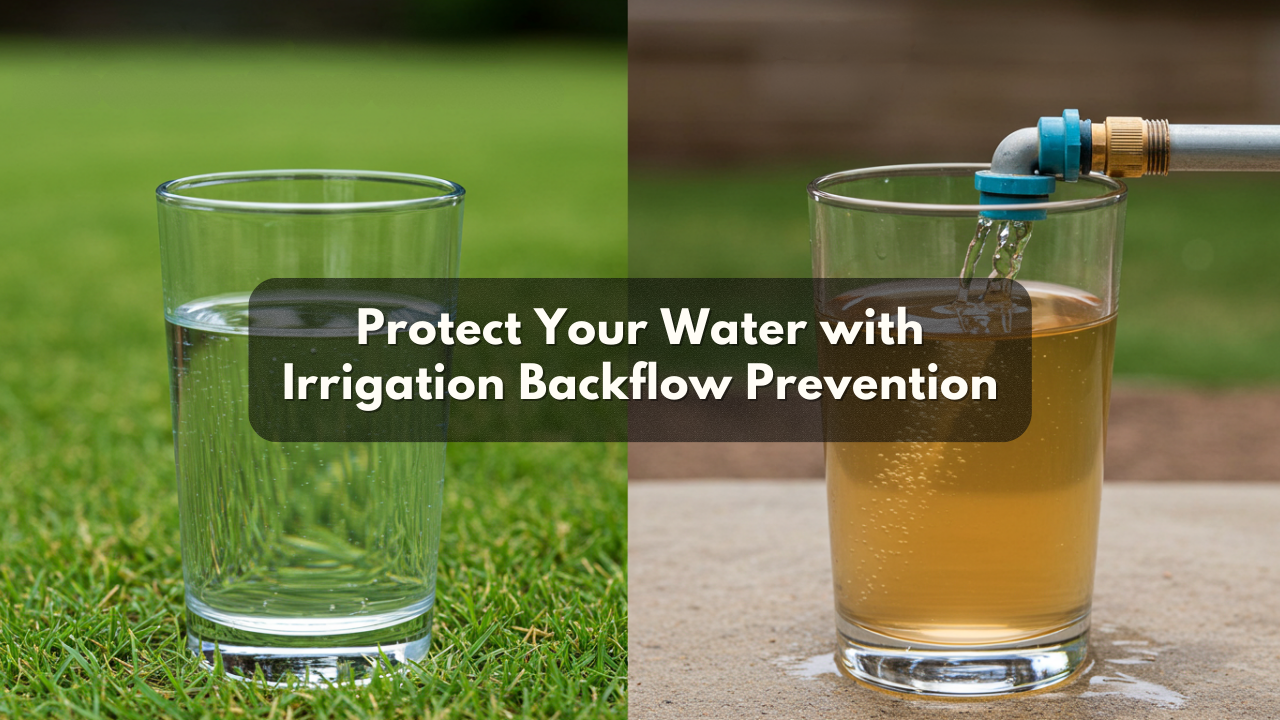
Here’s what many homeowners don’t realize: when water flows backward through your plumbing system, it can allow contaminated water from your irrigation system to mix with your home’s clean drinking water (also called potable water). According to the Twin Falls Irrigation District, harmful substances like fertilizers, animal waste, and other contaminants can enter your drinking water supply through backflow incidents, potentially affecting not just your family but other homeowners connected to the city’s water system.
For Magic Valley homeowners who rely heavily on sprinkler systems, understanding irrigation backflow prevention isn’t just important—it’s legally required and essential for protecting your family’s health.
What Is Irrigation Backflow Prevention and How Does It Work?
Irrigation backflow prevention is a safety system designed to stop contaminated water from your sprinkler system from flowing backward into your home’s drinking water supply. Think of it as a one-way valve that allows clean water to flow out to your irrigation system but prevents any water from flowing back into your home’s plumbing.
The system works through specialized devices called backflow preventers, which create a physical barrier between your irrigation system and your home’s water supply. These devices use various mechanisms—such as check valves, air gaps, or changes in water pressure—to ensure water can only flow in one direction: away from your house and into your sprinkler system.
When properly installed and maintained, irrigation backflow prevention devices provide reliable protection against water contamination. This gives Twin Falls homeowners peace of mind that their drinking water remains safe and clean, even when their sprinkler systems are running at full capacity during hot summer days.
Common Causes of Backflow in Twin Falls Irrigation Systems
Several factors can create the conditions that lead to backflow in residential irrigation systems. Understanding these causes helps homeowners recognize potential risks and take preventive action.
Pressure drops are one of the most common culprits. When water pressure in the main supply line suddenly drops—due to heavy usage, main breaks, or fire department usage—it can create a vacuum effect that pulls water backward through your irrigation system.
Pipe breaks and leaks in either your home’s plumbing or the municipal water system can also cause pressure imbalances that lead to backflow. This is particularly concerning because broken pipes may introduce dirt, bacteria, and other contaminants into the water supply.
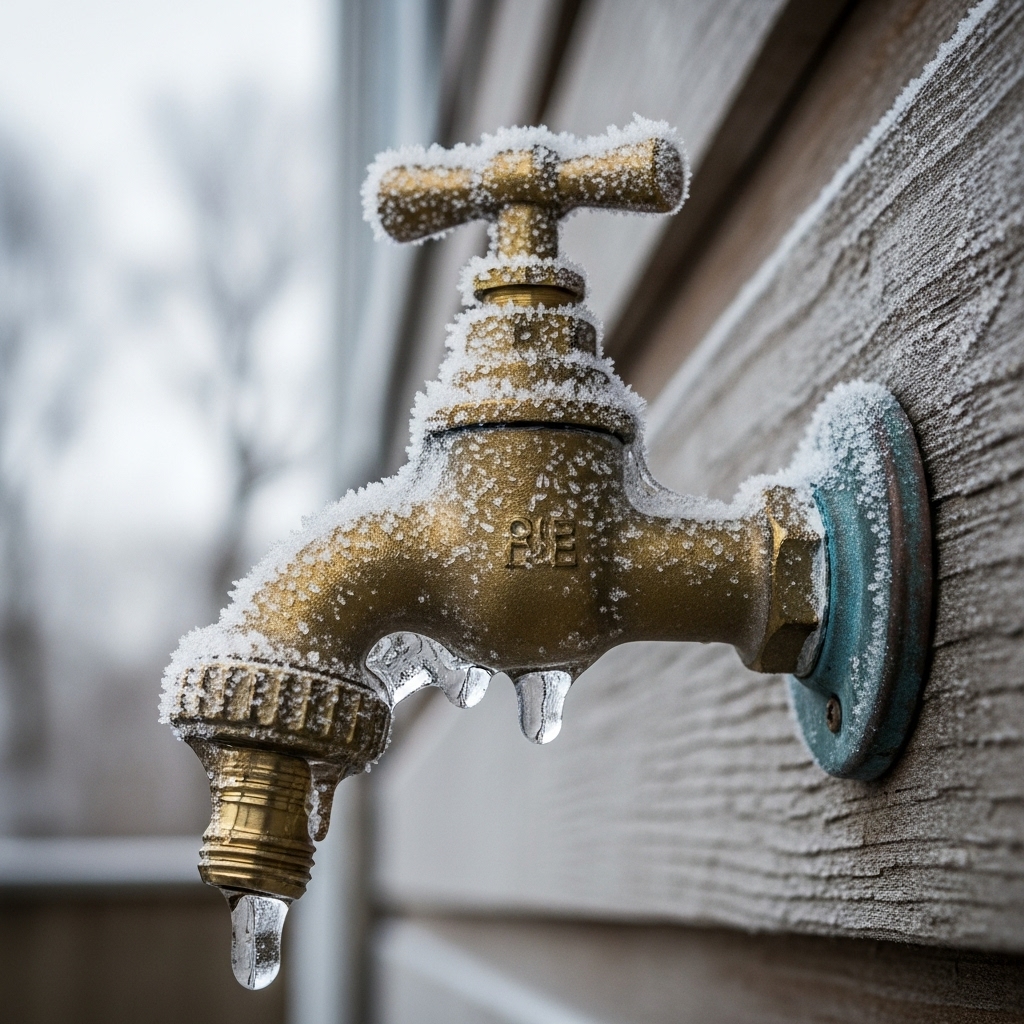
For Twin Falls homeowners, Idaho’s harsh winters present unique challenges. Frozen irrigation lines that aren’t properly winterized can burst, creating breaks that increase backflow risk when the system is reactivated in spring. Additionally, improper installation of sprinkler systems—such as submerged sprinkler heads or cross-connections—can create permanent pathways for contamination.
Types of Backflow Preventers for Residential Irrigation
Choosing the right backflow preventer for your Twin Falls home depends on your specific irrigation setup and local water pressure conditions. Here are the most common types used in residential applications:
Atmospheric Vacuum Breaker (AVB) is the most basic and affordable option. It works well for simple irrigation systems but cannot be installed under continuous pressure, making it less suitable for systems that run frequently.
Pressure Vacuum Breaker (PVB) offers more versatility and can handle systems under continuous pressure. This is often the preferred choice for Twin Falls lawns and garden irrigation systems due to its reliability and moderate cost.
Double Check Valve Assembly (DCVA) provides excellent protection through two independently operating check valves. While more expensive, it’s ideal for larger irrigation systems or properties with multiple zones.
Reduced Pressure Zone Device (RPZ) offers the highest level of protection and is typically required for commercial applications or high-risk residential situations. While overkill for most home irrigation systems, it may be necessary in certain Twin Falls neighborhoods with specific water quality concerns.
Signs Your Sprinkler System Backflow Preventer Might Be Failing
Recognizing the early warning signs of backflow preventer failure can help you address problems before they compromise your water supply. Keep an eye out for these indicators:
Water pressure issues are often the first sign of trouble. If you notice reduced water pressure in your home or inconsistent pressure in your irrigation system, your backflow preventer may not be functioning properly.
Discolored or strange-tasting water should never be ignored. If your tap water appears cloudy, has an unusual color, or tastes different, it could indicate contamination from your irrigation system.
Visible leaks around the backflow preventer device are clear signs that maintenance or replacement is needed. Even small leaks can indicate internal component failure.
Annual testing failures are definitive proof that your system needs attention. Most Twin Falls area water districts require annual backflow preventer testing, and failed tests indicate immediate repair or replacement needs.
Local Regulations for Irrigation Backflow Testing in Twin Falls
Twin Falls area homeowners must comply with local water district regulations regarding backflow prevention and testing. According to the Twin Falls City Code, all irrigation systems connected to the City’s drinking water systems are required to have backflow prevention devices installed and tested regularly.
The testing process involves a certified professional checking that all internal components are working correctly and that the device can prevent backflow under various pressure conditions. As the Twin Falls Irrigation District explains, the city is required to ensure that homeowners have these devices properly connected and tested on a regular basis—typically annually.
Certified testers will provide documentation of the test results, which may need to be submitted to your local water authority. Failing to maintain proper backflow prevention or skipping required testing can result in fines and, more importantly, puts your family’s health at risk. Professional plumbers in Twin Falls Idaho who specialize in backflow testing understand these local requirements and can ensure your system remains compliant with city regulations.
Why Hire a Local Expert for Backflow Prevention Services
When it comes to irrigation backflow prevention, working with local Twin Falls plumbing professionals offers distinct advantages that you simply can’t get from out-of-area contractors. Local experts understand the unique challenges of Magic Valley water systems, including seasonal pressure variations and the impact of Idaho’s extreme temperature changes on irrigation equipment.
Here’s something many homeowners discover too late: local plumbers provide much faster emergency response times when backflow issues arise. They’re also intimately familiar with Twin Falls water district requirements and can ensure your system meets all local codes and regulations without the guesswork that comes with hiring unfamiliar contractors.
Additionally, established local companies like TRW Plumbing build their reputation on long-term customer relationships within the community. This means they provide ongoing support and maintenance for your backflow prevention system, often remembering your specific setup and history when you call for service.
Professional installation and regular maintenance by experienced plumbing Twin Falls specialists ensure your backflow preventer operates reliably year after year, protecting your family’s water supply and your investment in your irrigation system.
Keep Your Water Safe with TRW Plumbing
Don’t wait for a backflow emergency to threaten your family’s water supply. End-of-summer is the perfect time to have your irrigation backflow prevention system inspected and tested before you begin preparing for winter.
At TRW Plumbing, our experienced team understands the unique needs of Twin Falls homeowners and the challenges of maintaining irrigation systems in Idaho’s climate. We provide professional backflow preventer installation, testing, and repair services to keep your water safe and your irrigation system running smoothly.
Call or text us at (208) 423-3276 to schedule your backflow prevention inspection and ensure your family’s water remains clean and safe all year long.
FAQ – Irrigation Backflow Prevention in Twin Falls
What is irrigation backflow prevention and why do I need it? Irrigation backflow prevention stops contaminated water from your sprinkler system from flowing backward into your home’s drinking water supply. It’s essential for protecting your family’s health and is often required by local regulations.
How often should I test my backflow preventer in Twin Falls? Most Twin Falls area water districts require annual testing by certified professionals. Some high-risk installations may require more frequent testing.
Who can install a sprinkler system backflow preventer in Idaho? Installation should be performed by licensed plumbers who understand local codes and regulations. Professional installation ensures proper function and compliance with Twin Falls requirements.
Can I test my residential irrigation backflow preventer myself? No, backflow preventer testing must be performed by certified professionals using specialized equipment. DIY testing cannot provide the accurate results required by local regulations.
How much does irrigation backflow prevention testing cost in Twin Falls? Testing costs typically range from $75-150 depending on the type of device and complexity of the system. This small investment protects against potentially expensive water contamination issues.
What happens if my backflow preventer fails? Failed backflow preventers must be repaired or replaced immediately to restore water safety. Continued use of failed devices puts your drinking water at risk and may violate local regulations.
Do all sprinkler systems need a backflow preventer in Idaho? Most residential irrigation systems require backflow prevention devices. Check with your local water authority for specific requirements in your Twin Falls neighborhood.
How do I winterize my sprinkler backflow to prevent freezing? Proper winterization involves draining the device and protecting exposed components from freezing. Professional winterization ensures your backflow preventer survives Idaho winters without damage.
Is irrigation backflow prevention required by Twin Falls city code? Most Twin Falls area jurisdictions require backflow prevention for irrigation systems. Contact your local water authority or a professional plumber to confirm specific requirements for your property.
How can plumbers in Twin Falls Idaho help with emergency backflow repairs? Local plumbers provide fast emergency response for backflow failures, professional diagnosis of problems, and immediate repairs to restore water safety and system compliance.