TL;DR:
Plumbing repairs seem so expensive because they require specialized training, licensed labor, emergency availability, safety compliance, quality parts, and time-intensive diagnostics. Twin Falls homeowners often pay more due to older piping, hard water issues, and the cost of ensuring repairs are done safely and up to code.
We get it. Plumbing repairs don’t feel cheap.
You call a plumber for what seems like a simple fix, and the bill makes you wonder what you’re actually paying for. Maybe it’s a leaky faucet that took 20 minutes to repair, or a clogged drain that cleared in half an hour. When you see the invoice, you might think, “Why does this cost so much?”
It’s a fair question, and as local plumbers who’ve served Twin Falls for over two decades, we want to give you an honest answer. The truth is, plumbing repairs involve much more than what you see during the actual fix. From years of specialized training to expensive equipment, insurance costs, and the unique challenges of working in Idaho homes, there are real reasons behind the price.
This isn’t about justifying costs or making excuses. It’s about transparency. When you understand what goes into professional plumbing work, the numbers start to make sense. Let’s break down the real factors that affect what you pay, why licensed plumbers charge what they do, and how you can make smart decisions about your home’s plumbing needs.
Why Plumbing Repairs Seem So Expensive: The Real Factors Homeowners Don’t See
When a plumber arrives at your door, you’re seeing just the tip of the iceberg. The work that happens before they knock, the expertise they bring, and the protections they provide all factor into the final bill.
The Hidden Time Before Arrival
Before a plumber even reaches your home, there’s preparation involved. They’re gathering the right tools and equipment, reviewing your service call details, and often researching your specific issue to ensure they arrive prepared. For emergency calls, they might be leaving another job or coming in during off-hours, which affects scheduling and availability.
Professional plumbers maintain fully stocked service vehicles with hundreds of parts and specialized tools. Keeping this inventory ready costs thousands of dollars, but it means they can complete most repairs in a single visit instead of making you wait days for a return trip with the right parts.
Diagnostic Work Takes Real Skill
What looks like a simple dripping faucet might actually be a symptom of water pressure problems, corroded pipes, or mineral buildup from hard water. A toilet that won’t stop running could indicate issues with your home’s water supply or drainage system. Professional plumbers don’t just fix the obvious problem. They diagnose the root cause to prevent it from happening again.
This diagnostic expertise comes from years of training and experience. It’s the difference between a repair that lasts and one that fails a month later, requiring another service call.
Twin Falls Specific Challenges
Here in Twin Falls, our homes face unique plumbing challenges that affect repair complexity and costs. Many local homes were built between the 1950s and 1990s, which means older plumbing systems with galvanized pipes, outdated layouts, and components that may not meet current building codes.
Our area’s hard water measures 15-20 grains per gallon, which is considered very hard. This mineral-rich water accelerates wear on pipes, fixtures, and appliances. What might be a straightforward repair in a city with soft water becomes more complicated here because mineral buildup affects nearly every plumbing component.
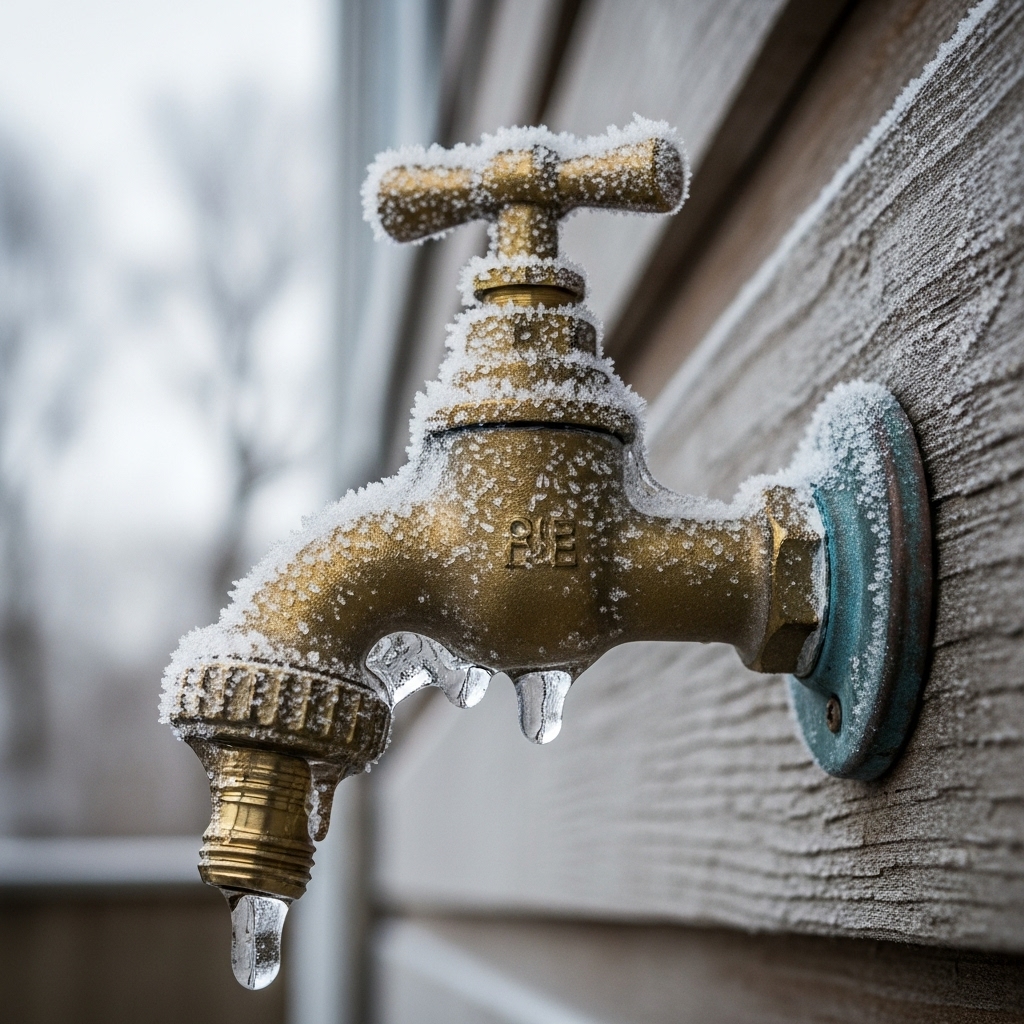
Idaho winters present another challenge. Frozen pipes are a constant concern from November through March, and repairs often need to account for freeze protection to prevent future problems. Plumbers working in crawl spaces during winter face harsh conditions that slow work and require additional safety precautions.
The Skilled Labor and Licensing Behind Every Plumbing Repair
Professional plumbing isn’t something you learn in a weekend workshop. It requires years of training, ongoing education, and strict licensing requirements that ensure your safety and protect your home.
The Path to Becoming a Licensed Plumber in Idaho
To become a licensed plumber in Idaho, individuals must complete 8,000 hours of apprenticeship work (equivalent to four years) plus 576 hours of classroom instruction. That’s extensive training covering everything from basic pipe fitting to complex system design, code compliance, and safety protocols.
After apprenticeship, plumbers must pass rigorous examinations to earn their journeyman license. Those who want to operate their own businesses need additional experience and must pass contractor licensing exams. This isn’t a shortcut profession. It’s a skilled trade that demands serious commitment.
Licensed plumbers in Idaho must also complete continuing education every three years to maintain their licenses. This ensures they stay current on changing codes, new technologies, and best practices. When you hire a licensed plumber, you’re getting someone who has invested years in their education and continues to improve their skills.
Safety Risks and Responsibilities
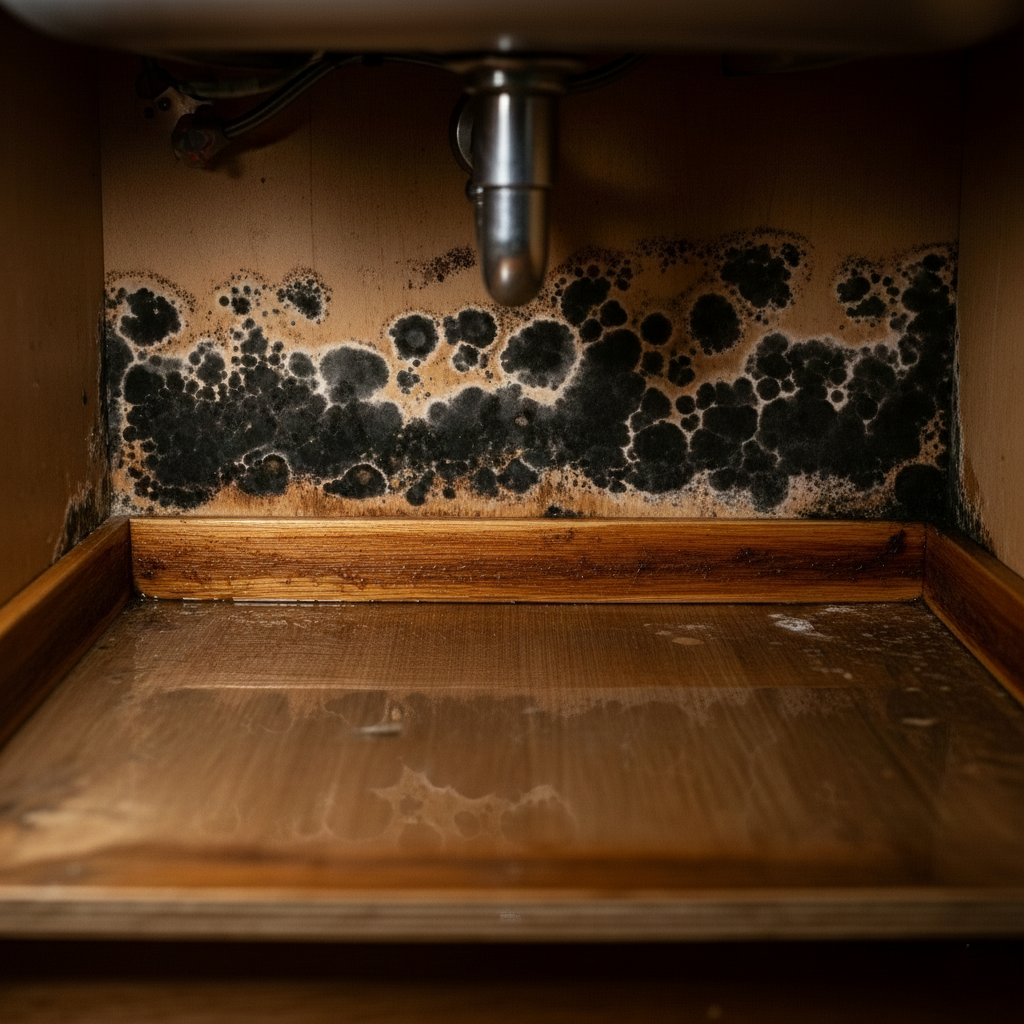
Plumbing work involves real safety risks that unlicensed workers may not fully understand. Water damage can destroy your home’s structure, create mold problems, and ruin personal belongings. Gas line work (for water heaters and other appliances) poses explosion and poisoning risks if done incorrectly. Cross-contamination between water supply and waste lines can create serious health hazards.
Licensed plumbers understand these risks and know how to prevent them. They follow strict safety protocols, use proper materials, and ensure all work meets code requirements designed to protect your family and home.
Tools and Equipment Investment
Professional plumbers invest heavily in specialized tools and equipment. A fully equipped service van might contain $10,000 to $30,000 worth of tools including pipe cameras for inspecting hidden lines, electronic leak detection equipment, specialized wrenches and cutters for various pipe types, pressure testing equipment, and safety gear.
These tools aren’t optional luxuries. They’re essential for diagnosing problems accurately, completing repairs efficiently, and ensuring lasting results. When you hire a professional, part of what you’re paying for is access to this specialized equipment that makes proper repairs possible.
Why Unlicensed Labor Is Cheaper and Riskier
You might find someone willing to do plumbing work for less than licensed professionals charge. There’s a reason for that discount, and it’s not one that favors homeowners. Unlicensed workers don’t carry proper insurance, haven’t invested in training and equipment, don’t follow code requirements, and won’t be there to fix problems if their work fails.
As noted in our guide on professional repairs, DIY mistakes and improper repairs often lead to water damage costing $3,000 to $10,000 or more. That initial savings disappears quickly when you factor in the cost of fixing mistakes, potential insurance complications, and problems that arise when selling your home.
The Cost of Quality Parts and Materials (and Why Cheaper Isn’t Better)
The materials used in plumbing repairs significantly affect both the immediate cost and long-term reliability. Professional plumbers use quality parts for good reasons.
Material Costs Have Increased
Like everything else, plumbing materials have gotten more expensive. Copper pipe prices fluctuate with metal markets. PEX fittings and quality fixtures cost more than they did a few years ago. Supply chain issues have affected availability and pricing across the industry.
Professional plumbers buy from specialized plumbing suppliers, not big-box home improvement stores. These suppliers provide commercial-grade materials designed for professional installation and long-term reliability. Yes, they cost more than consumer-grade parts, but they’re built to last and come with better warranties.
Hard Water in Twin Falls Means Quality Matters More
With our area’s extremely hard water, the quality of parts and materials becomes even more important. Cheap fixtures corrode faster. Low-grade washers and seals break down quickly when exposed to mineral-heavy water. Bargain faucets develop leaks within months instead of lasting years.
Professional plumbers know which materials hold up best in our water conditions. They select parts that resist mineral buildup, withstand corrosion, and maintain performance despite the challenges our water presents. This expertise saves you money in the long run by reducing the frequency of repeat repairs.
Local Supply Chain Reality
Twin Falls isn’t a major metropolitan area, which affects parts availability and pricing. We have fewer plumbing supply distributors than larger cities, and getting specialty parts sometimes requires ordering from regional suppliers. This can affect both the cost and timeline for certain repairs.
Professional plumbers maintain relationships with local suppliers and keep extensive inventory in their vehicles to minimize delays. When you need a repair, they can often complete it immediately instead of making you wait days or weeks for parts to arrive.
Part Procurement Time vs. Generic DIY Parts
When something breaks, you want it fixed now. Professional plumbers stock commonly needed parts so they can complete most repairs in a single visit. The generic parts available at retail stores might seem like a cheaper option, but they often don’t fit properly, don’t last as long, or simply don’t work for professional-grade installations.
The time you save by having a plumber arrive with the right parts, complete the repair correctly, and warranty their work usually outweighs any potential savings from buying discount parts yourself and attempting DIY repairs.
The Hidden Cost of Protection: Insurance, Bonding, and Liability Coverage
This is one of the biggest factors in plumbing costs that most homeowners never consider. Professional plumbers carry extensive insurance that protects you, but it’s expensive to maintain.
General Liability Insurance Requirements
Idaho requires plumbing contractors to carry a minimum of $300,000 in general liability insurance, though most carry $1 million to $2 million in coverage. This insurance protects you if something goes wrong during a repair. If a plumber accidentally damages your property, the insurance covers repairs. If their work causes water damage, you’re protected.
The cost of this insurance averages $900 to $1,378 per year for basic coverage, and that’s for small operations. Larger companies with multiple employees pay significantly more. This is a fixed cost that must be factored into service pricing, but it provides critical protection for homeowners.
Workers’ Compensation Coverage
If a plumbing company has employees, Idaho law requires workers’ compensation insurance. This costs approximately $2,337 to $2,532 per year on average per employee. Workers’ comp protects you from liability if someone gets injured while working on your property.
Without this coverage, you could potentially be held liable for medical bills and lost wages if an uninsured worker gets hurt in your home. Licensed, insured plumbers remove this risk entirely.
Bonding Requirements
Idaho requires plumbing contractors to post a $2,000 surety bond as part of their licensing. This bond provides recourse if a contractor fails to complete work properly or violates regulations. It’s another layer of consumer protection that adds to business operating costs.
Tools and Equipment Insurance
Professional plumbers also carry insurance on their tools, equipment, and vehicles. With tens of thousands of dollars invested in specialized equipment, this protection is essential. Tool and equipment insurance averages about $224 per year, adding to the overhead costs built into service pricing.
What Happens Without Proper Insurance
When unlicensed or uninsured workers cause damage, homeowners are often left holding the bill. Your homeowner’s insurance might deny claims for damage caused by unlicensed contractors. You have no recourse against someone who doesn’t carry liability coverage. The money you thought you saved by hiring cheaper labor disappears when you’re paying thousands to fix water damage or structural problems.
Total Annual Insurance Investment
For a small plumbing business with just a few employees, total insurance costs typically run $3,500 to $5,000 or more annually. This is before paying for licensing, continuing education, tools, vehicles, and actual labor. These overhead costs must be factored into pricing to keep the business operational and able to serve homeowners reliably.
Why Diagnostics Matter More Than the Actual Repair
Here’s something many homeowners don’t realize: you’re not paying for the 10-minute fix. You’re paying for the knowledge that tells the plumber exactly what to fix and how to fix it right.
The Value of Expertise
When an experienced plumber looks at a plumbing problem, they see things you don’t. They notice warning signs of bigger issues. They understand how different components interact. They know which symptoms indicate simple fixes and which ones suggest serious problems lurking behind walls or under floors.
This expertise comes from years of experience and training. It’s the reason professional repairs last while amateur attempts often fail. A journeyman plumber with 20+ years of experience, like Trevor Williams at TRW Plumbing, has seen thousands of plumbing problems and knows the most effective solutions for each one.
Local Examples: Hidden Issues Common in Twin Falls
In our area, mineral buildup from hard water often masks underlying leaks and problems. A slow drain might seem like a simple clog, but it could actually be scale buildup inside pipes reducing flow throughout your system. A water pressure problem at one fixture might indicate issues affecting your entire home.
Older neighborhoods around Twin Falls often have galvanized pipes that are corroding from the inside out. What looks like a simple leak at a connection point might actually be a sign that entire sections of pipe need replacement soon. A skilled plumber recognizes these patterns and can advise you on the best long-term solutions.
Special Equipment for Accurate Diagnosis
Professional plumbers use specialized diagnostic equipment that goes far beyond what’s visible to the naked eye. Video cameras inspect the inside of pipes to locate blockages, damage, or root intrusion. Electronic leak detectors find hidden leaks behind walls or under slabs without destructive investigation. Pressure gauges identify problems in your water supply system that affect performance throughout your home.
This equipment is expensive to purchase and maintain, but it enables accurate diagnosis that saves you money by preventing unnecessary work and ensuring repairs address the real problem rather than just symptoms.
Emergency and After-Hours Calls: Why They Cost More
When your water heater fails at midnight or a pipe bursts on Sunday morning, you need help immediately. Emergency plumbing service costs more for legitimate reasons.
Scheduling Impacts and Immediate Response
Emergency calls interrupt normal scheduling. A plumber responding to your urgent need might be leaving another job, canceling personal plans, or getting up in the middle of the night. They’re prioritizing your emergency over other commitments, and that immediate availability comes at a premium.
Emergency plumbing rates typically run 1.5 to 3 times normal rates, with additional trip fees of $100 to $400. These rates reflect the value of immediate response and the inconvenience to the plumber who makes themselves available 24/7.
Twin Falls Winter Emergencies
Our area experiences a significant spike in plumbing emergencies during winter months. Frozen pipes, burst lines, and water heater failures increase dramatically when temperatures drop below freezing. During severe cold snaps, plumbers often work around the clock responding to emergencies.
As highlighted in our maintenance guide, many of these winter emergencies could be prevented with proper maintenance and winterization. However, when prevention doesn’t happen and pipes freeze, immediate professional response becomes essential to minimize damage.
The Reality of True Emergencies
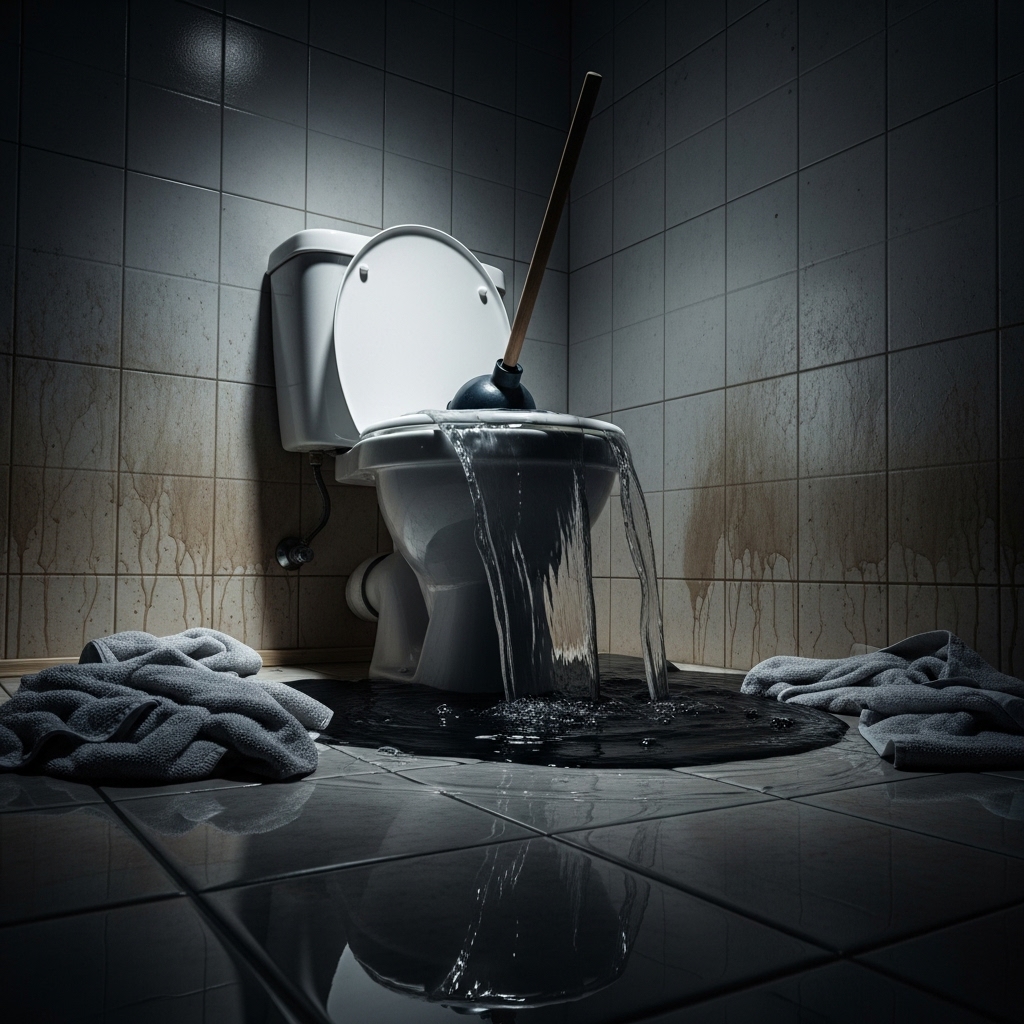
Not every urgent situation requires emergency rates. A toilet that won’t stop running is inconvenient but usually not a true emergency. A burst pipe flooding your home definitely is. Honest plumbers will tell you when an issue can wait until regular business hours and when it truly requires immediate attention.
When you do have a genuine emergency, the premium you pay for after-hours service often saves you far more in prevented water damage, mold growth, and structural problems that develop when leaks go unaddressed.
How Travel Time and Location Affect Plumbing Costs in Twin Falls
Geography plays a real role in plumbing costs, especially in less densely populated areas like ours.
Magic Valley Service Area Considerations
Twin Falls serves as the hub for plumbing services across the Magic Valley, but homes are spread across a large geographic area. Properties in Kimberly, Filer, Buhl, and other surrounding communities can add 20 to 40 minutes of drive time each way to a service call.
Professional plumbers factor travel time, fuel costs, and vehicle wear into their pricing structure. This isn’t about padding bills. It’s about fairly compensating for the time spent traveling to and from your home, which takes them away from other work and adds to their operating costs.
Fuel and Vehicle Operating Costs
Service vehicles are expensive to operate and maintain. A fully equipped plumbing van might only get 10 to 15 miles per gallon. Insurance for commercial vehicles costs more than personal auto insurance. Regular maintenance on vehicles that carry heavy equipment and drive thousands of miles monthly adds up quickly.
These costs are built into service call fees and hourly rates. Plumbers serving rural or suburban areas have higher travel costs than those working in dense urban environments where jobs are closer together.
The Service Call Fee Explained
Most plumbers charge a service call fee that typically ranges from $50 to $250 depending on location and timing. This fee usually covers travel time, basic diagnostic work, and often the first 30 to 60 minutes of labor.
Understanding what’s included in the service call fee helps clarify the overall cost structure. Some companies apply this fee toward the total repair cost if you proceed with work. Others charge it separately. Always ask upfront so you know what to expect.
Comparing Plumbing to Other Skilled Trades
When you look at what skilled tradespeople charge across different fields, plumbing rates are actually quite reasonable.
| Trade | Median Hourly Rate | Typical Service Call | Training Required | Safety Risks |
|---|---|---|---|---|
| Plumbers | $45-$150 | $100-$250 | 4-year apprenticeship + licensing | Water damage, gas exposure, contamination |
| Electricians | $50-$150 | $100-$300 | 4-year apprenticeship + licensing | Electrocution, fire hazards |
| HVAC Technicians | $75-$150 | $75-$200 | 2-5 year apprenticeship + certification | Refrigerant exposure, electrical risks |
| General Contractors | $50-$150 | Varies | Experience-based, licensing varies | Project-dependent |
According to Bureau of Labor Statistics data, plumbers earn a median wage of about $28.89 per hour, which is comparable to electricians and actually higher than HVAC technicians. All three trades require similar training, carry similar risks, and have comparable overhead costs.
The rates you pay reflect not just the plumber’s wage but also the insurance, licensing, tools, training, and business overhead that makes professional service possible.
How to Avoid Surprise Plumbing Bills (Local Tips That Actually Help)
While professional plumbing has real costs, there are legitimate ways to reduce your expenses and avoid unexpected bills.
Schedule Regular Preventative Maintenance
Research shows that 80% of plumbing emergencies could be prevented with basic maintenance. Annual professional inspections typically cost $100 to $200, far less than emergency repairs that average $150 to $400.
Regular maintenance catches small problems before they become emergencies. A plumber can identify aging components, mineral buildup, or developing leaks during routine service and address them proactively at standard rates rather than emergency pricing.
Fix Small Problems Early
That slow drip from your faucet or the toilet that runs occasionally might seem like minor annoyances you can live with. However, these small issues waste water, drive up utility bills, and often indicate problems that will get worse over time.
Addressing minor repairs promptly, during normal business hours, costs far less than waiting until they fail completely and require emergency service. Small problems have small price tags. Big problems don’t.
Upgrade Old Shut-Off Valves
Many Twin Falls homes have original shut-off valves that are decades old and may not work reliably. When a plumber is at your home for other work, ask about upgrading these valves. Working shut-offs allow you to isolate problems quickly, potentially preventing major damage while you wait for repairs.
This simple upgrade often costs just $50 to $150 per valve when done as part of another service call but can save thousands if it prevents flood damage from a failed fixture.
Consider Water Softener Benefits
Installing a water softener protects your plumbing system from the mineral buildup that accelerates wear and increases repair frequency. While softeners require an upfront investment of $800 to $3,000, they typically pay for themselves within 18 to 24 months through reduced repairs and longer appliance life.
In Twin Falls’ hard water environment, this is one of the most cost-effective investments homeowners can make to reduce long-term plumbing expenses.
Ask for Written Estimates
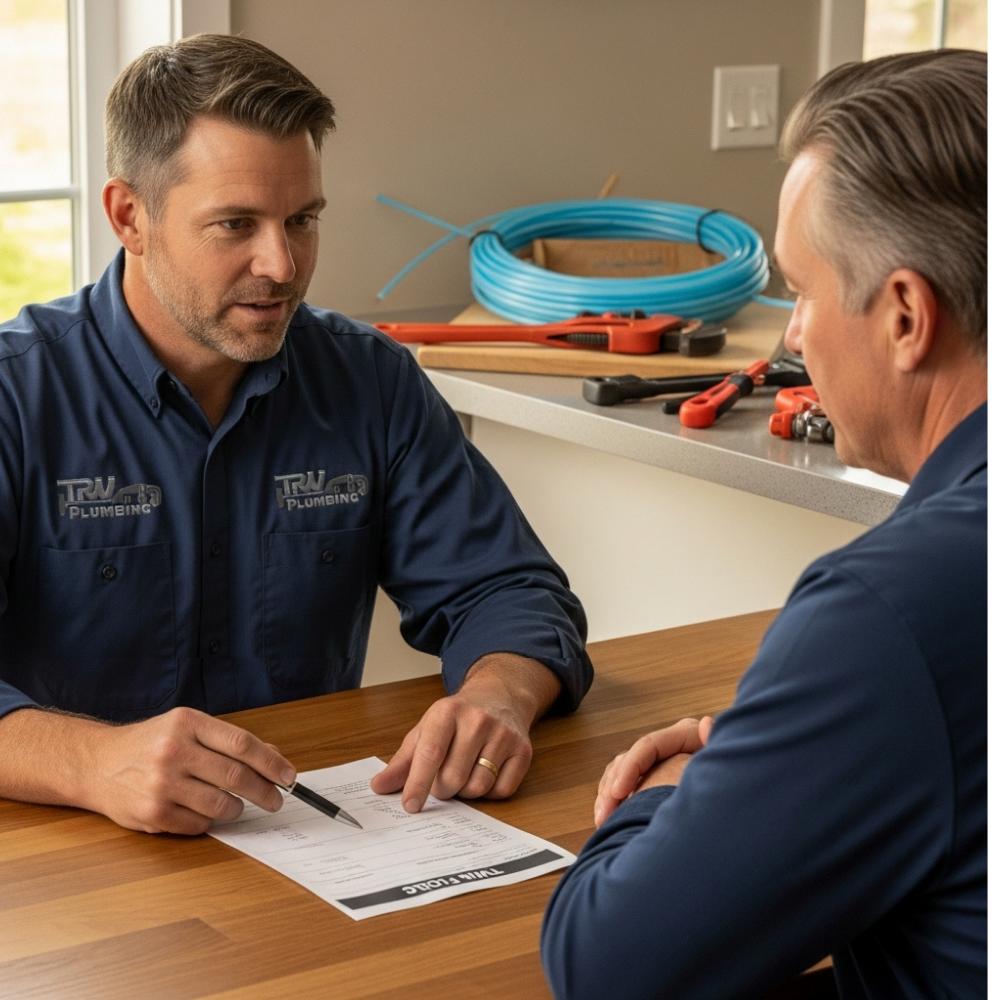
Before any work begins, ask for a detailed written estimate that breaks down labor, materials, and any additional fees. Reputable plumbers provide clear pricing upfront so you know what to expect. If estimates seem unclear or you’re uncomfortable with the total, don’t hesitate to ask questions or get a second opinion for major repairs.
Plan Ahead When Possible
If you know something needs attention but it’s not an emergency, schedule service during normal business hours. Avoid weekends and holidays when rates are higher. Planning ahead gives you time to compare quotes, save money if needed, and avoid emergency pricing.
When to Call TRW Plumbing for Transparent, Honest Repairs in Twin Falls
At TRW Plumbing, we believe homeowners deserve to understand what they’re paying for and why. That’s why we provide upfront pricing, detailed explanations, and honest recommendations about what your home actually needs.
What Sets TRW Plumbing Apart
With over 24 years of experience serving Twin Falls and surrounding communities, we understand the unique plumbing challenges local homes face. Our team is licensed, bonded, and insured, giving you the protection and peace of mind that comes with professional service.
We specialize in the issues common to our area: hard water problems, older home plumbing, winter freeze prevention, and efficient solutions that last. Every repair we complete is backed by our commitment to quality workmanship and customer satisfaction.
Transparent Pricing You Can Count On
We provide clear estimates before starting work, so you always know what to expect. Our pricing reflects the real costs of professional plumbing: quality materials, proper insurance, licensed expertise, and reliable service. We don’t cut corners, and we don’t charge for unnecessary work.
When we recommend repairs or replacements, we explain why they’re needed and what problems they prevent. You make the final decision with full understanding of your options.
Ready to Schedule Service?
Whether you need routine maintenance, repair work, or advice on upgrading your plumbing system, TRW Plumbing is here to help. Call or text us at (208) 423-3276 or visit our website to schedule an appointment. We offer evening and weekend scheduling to accommodate your busy life.
Frequently Asked Questions About Plumbing Repair Costs
Why do plumbing repairs seem so expensive compared to other home services?
Plumbing repairs require specialized training (four years of apprenticeship plus licensing), expensive insurance coverage ($3,500-$5,000+ annually), professional-grade tools and equipment ($10,000-$30,000 investment), and expertise to diagnose complex problems accurately. You’re paying for years of training, proper insurance protection, quality materials, and the knowledge to fix problems correctly the first time. When compared to other skilled trades like electrical or HVAC work, plumbing costs are actually quite comparable.
How much do plumbing repairs cost on average in Twin Falls?
Standard service calls in Twin Falls typically range from $100 to $250, which usually includes travel time and initial diagnostic work. Common repairs cost $150 to $400 for straightforward fixes. More complex repairs involving pipe replacement or system modifications can cost significantly more. Emergency after-hours service typically runs 1.5 to 3 times normal rates. The specific cost depends on the problem’s complexity, parts needed, and whether it requires emergency response.
Why does a quick repair still cost a full service fee?
The service fee covers much more than the few minutes spent actually fixing the problem. It includes the plumber’s travel time to and from your home, years of training that enabled them to diagnose the issue quickly, specialized tools and equipment they bring, vehicle and insurance costs, and the expertise to identify the root cause rather than just addressing symptoms. A repair that takes 10 minutes only looks simple because the plumber knows exactly what to do. That knowledge comes from years of experience and training.
Do plumbers charge for travel time in Twin Falls?
Most plumbers include travel time in their service call fee or base rate. Properties outside Twin Falls proper, such as homes in Kimberly, Filer, or other surrounding communities, may have additional travel charges due to the extra drive time (20-40 minutes each way). This compensates plumbers fairly for time spent traveling rather than working on other jobs. Always ask about travel charges when scheduling service so you understand the total cost upfront.
Why are after-hours plumbing repairs more expensive?
Emergency and after-hours repairs cost 1.5 to 3 times normal rates because they require immediate availability outside regular business hours. Plumbers responding to emergencies interrupt their personal time, cancel other commitments, or work through nights and weekends. The premium rates reflect the value of immediate response and compensate for the inconvenience of being available 24/7. However, for true emergencies like burst pipes or major leaks, this cost is usually far less than the water damage prevented by quick response.
What affects the cost of parts and materials in plumbing repairs?
Several factors influence material costs: the quality and grade of parts (professional-grade vs. consumer-grade), current commodity prices for metals like copper, availability through local suppliers in our area, and the specific requirements of your repair. In Twin Falls, hard water considerations also matter. Quality parts that resist mineral buildup and corrosion cost more initially but last longer in our water conditions. Professional plumbers use materials designed for durability and code compliance, which typically cost more than discount alternatives but provide better long-term value.
Can hard water in Twin Falls make plumbing repairs more frequent?
Absolutely. Twin Falls water measures 15-20 grains per gallon, which is considered very hard. This mineral-rich water accelerates wear on pipes, fixtures, and appliances. Scale buildup clogs aerators and showerheads, corrodes connections faster, reduces water heater efficiency, and shortens appliance lifespans by 2-4 years. Hard water makes many repairs more complex because mineral deposits must be addressed along with the primary problem. Installing a water softener can significantly reduce repair frequency and extend the life of your plumbing system.
How can homeowners prevent costly plumbing repairs?
Prevention strategies include scheduling annual professional inspections ($100-$200), which can prevent 80% of emergency repairs. Fix small leaks and problems promptly before they worsen. Install a water softener to protect against mineral damage in our hard water environment. Know where your main shut-off valve is located and ensure it works properly. Winterize outdoor plumbing before freezing temperatures arrive. Replace aging shut-off valves before they fail. These proactive steps cost far less than emergency repairs and major system failures.
Are licensed plumbers in Idaho required to meet certain standards?
Yes, Idaho has strict licensing requirements. Plumbers must complete 8,000 hours (four years) of apprenticeship work plus 576 hours of classroom instruction, pass comprehensive examinations, maintain proper insurance and bonding (including a $2,000 surety bond), and complete continuing education every three years to maintain their licenses. The Idaho Division of Occupational and Professional Licenses oversees these requirements to ensure plumbers have the knowledge and skills to work safely and correctly.
Do plumbing companies in Twin Falls offer upfront pricing or cost estimates?
Reputable plumbing companies provide detailed estimates before starting work. After diagnosing the problem, professional plumbers should explain what needs to be done, why it’s necessary, what materials will be used, and the total expected cost including labor and parts. This allows you to make informed decisions about repairs. At TRW Plumbing, we believe in transparent pricing and always provide clear estimates so you know exactly what to expect before we begin any work.
This blog was created with the expertise of LeadProspecting AI, a specialized content service that helps local service businesses create high-quality, SEO-optimized content that educates customers and builds trust. LeadProspecting AI combines industry research, local market insights, and proven content strategies to produce blogs that rank well in search engines and convert readers into loyal customers.