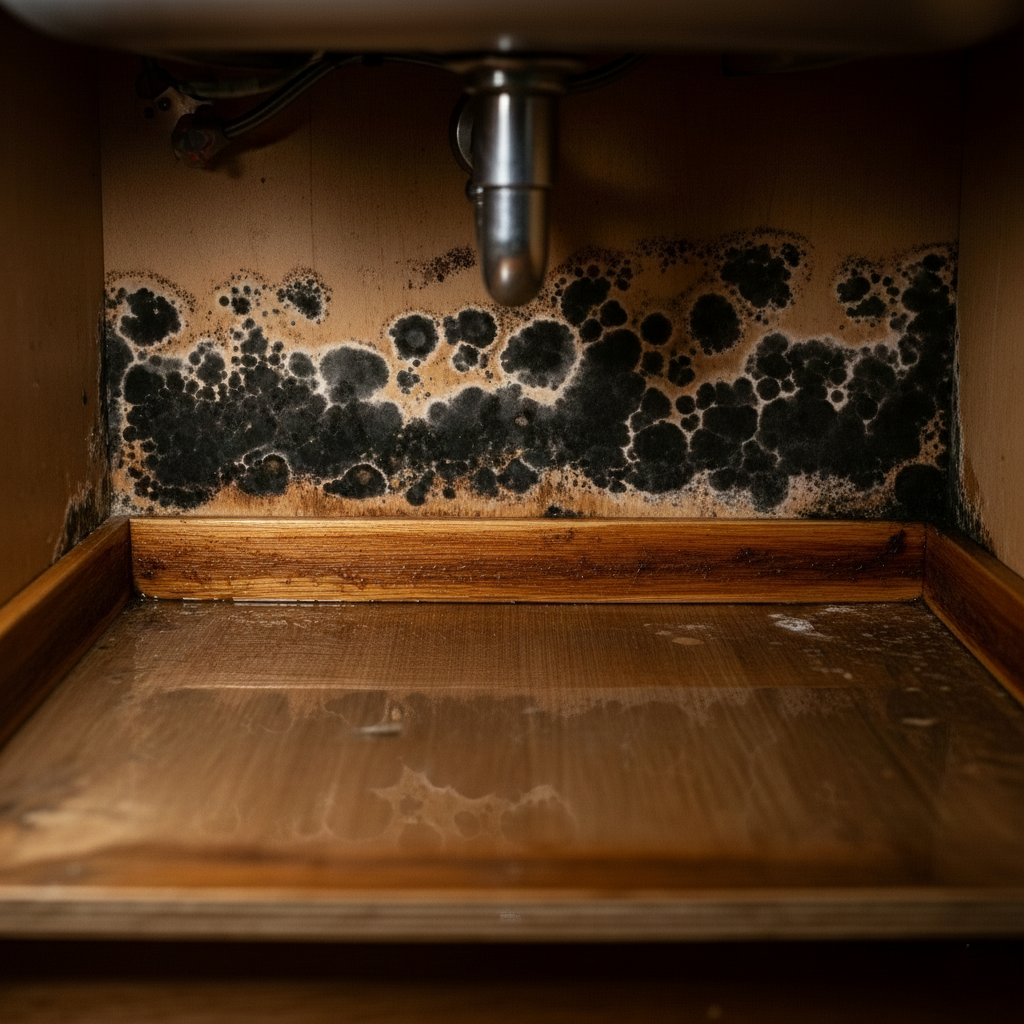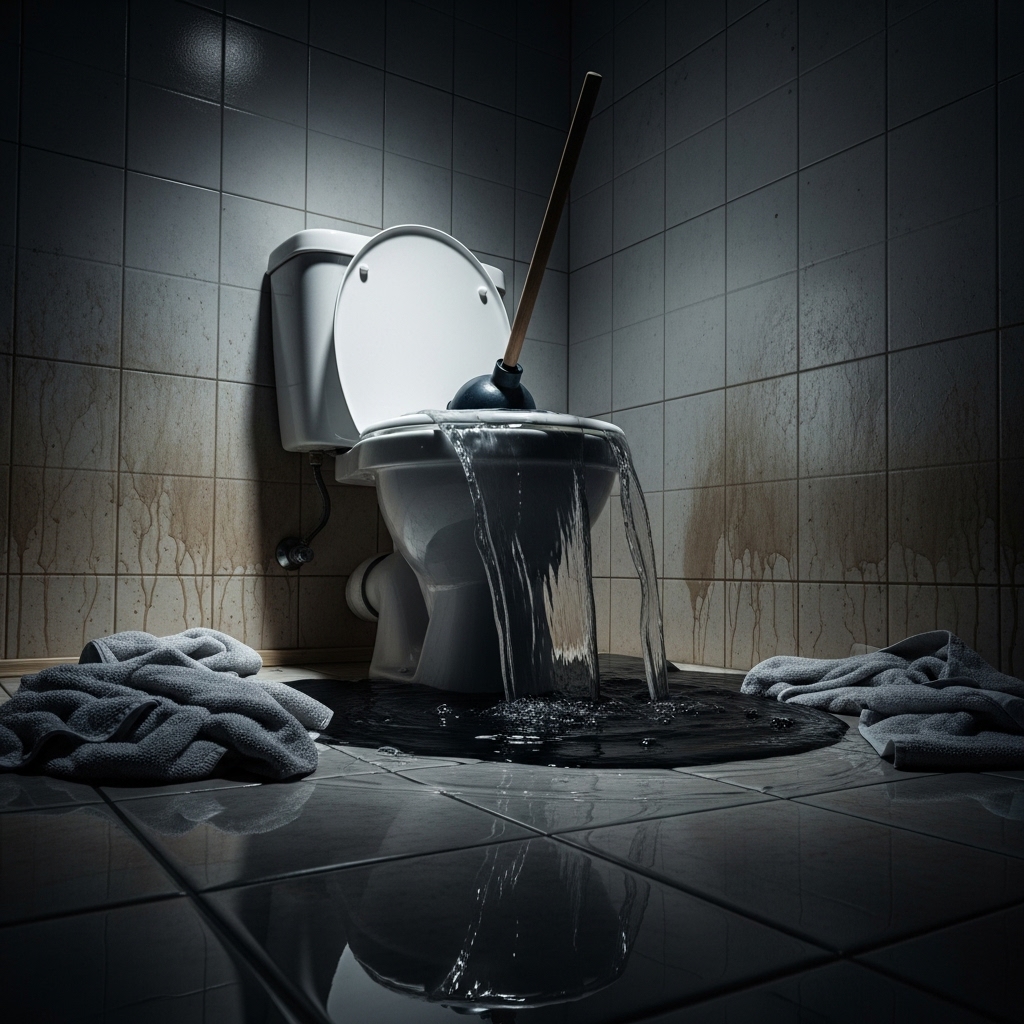
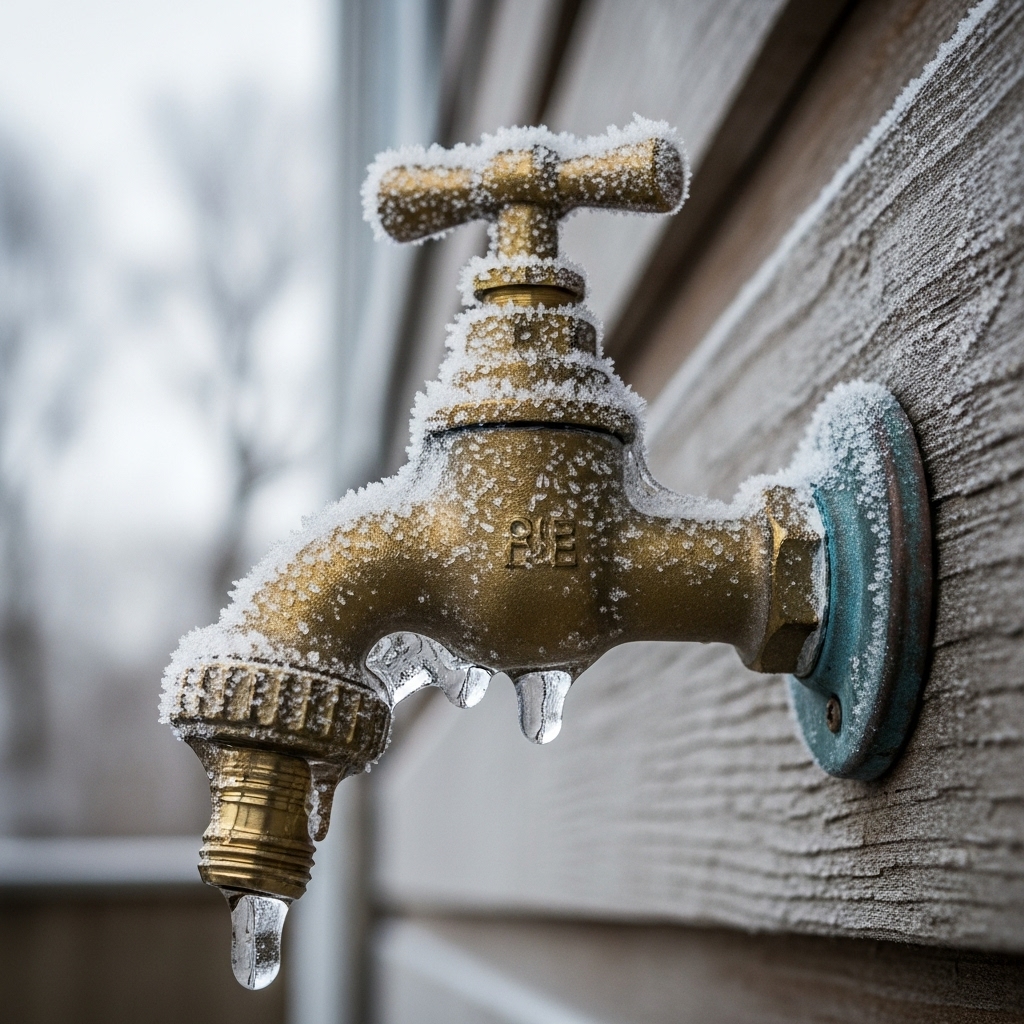
When temperatures plummet in Magic Valley, your home’s plumbing system faces one of winter’s most expensive threats. A single burst pipe can release hundreds of gallons of water per hour, causing extensive damage to your home’s structure, belongings, and creating mold problems that develop within just 24 to 48 hours.
The good news? Most frozen pipe disasters are completely preventable when you understand the risks, recognize the warning signs, and take action before problems develop. As local plumbers who’ve served Twin Falls through countless harsh winters, we’ve seen what works and what doesn’t when it comes to protecting your plumbing from Idaho’s cold.
This comprehensive guide will walk you through the temperature thresholds that put your pipes at risk, identify the most vulnerable areas in your home, and provide practical steps you can take to prevent frozen pipes and the expensive damage they cause.
Why Idaho Winters Are Especially Hard on Plumbing Systems
Magic Valley winters create challenging conditions for home plumbing. Our temperatures fluctuate dramatically, sometimes warming during the day before plummeting at night. According to NOAA climate data, Twin Falls winter temperatures typically range from lows around 27°F to highs in the upper 30s and 40s, but can drop below 9°F during severe cold snaps.
This freeze-thaw cycle is particularly damaging because pipes expand and contract repeatedly, weakening joints and connections over time. The 2024-2025 winter season is expected to bring wetter-than-average conditions to Idaho due to La Niña weather patterns, which could increase freeze risks.
Local Construction Challenges
Many homes in Twin Falls, Jerome, and Kimberly were built before modern insulation standards became common. Older homes often have pipes running through unheated crawl spaces, along exterior walls, or in uninsulated attics. These vulnerable locations, combined with Idaho’s cold winters, create high-risk situations that require proactive protection.
The Cost of Frozen Pipe Damage
Understanding the financial impact helps put prevention into perspective. According to recent insurance industry data, water damage claims (including frozen and burst pipes) account for 24% to 29% of all homeowners insurance claims, with average costs ranging from $12,500 to $13,954 per claim.
Even more concerning, approximately 1 in 60 insured homes files a water or freezing damage claim annually, with January and February seeing the highest frequency due to frozen and burst pipes. These aren’t just statistics. They represent real Twin Falls families dealing with displaced belongings, temporary housing, and months of repairs.
Understanding Pipe Freezing: Temperature Thresholds and Risk Factors
Not all cold weather creates equal risk for your plumbing. Understanding the specific temperature thresholds helps you know when to take action.
When Do Pipes Actually Start Freezing?
Pipes begin to freeze when temperatures drop to 20°F or below, especially if the cold persists for several hours. While water freezes at 32°F, the pipes themselves and surrounding building materials provide some insulation that delays freezing. However, this protection is limited and varies significantly based on pipe location.
The freezing point also depends on several critical factors:
- Water movement: Flowing water is much harder to freeze than standing water
- Insulation quality: Well-insulated pipes can withstand lower temperatures longer
- Duration of cold: Brief temperature drops are less dangerous than sustained freezing
- Wind chill: Wind drives cold through exterior walls more effectively
How Quickly Can Pipes Freeze?
There’s no single answer because conditions vary, but here are general timelines:
- Exposed pipes in crawl spaces or attics: 6 to 8 hours at 20°F or below
- Pipes in exterior walls: 12 to 24 hours at sustained freezing temperatures
- Well-insulated pipes in heated areas: May survive several days of freezing weather
The key risk factors are temperature duration, wind chill effects on exterior walls, and whether any heat source reaches the vulnerable pipes.
Temperature Guide: When Frozen Pipes in Twin Falls Become a Real Threat
Let’s break down what different temperature ranges mean for your home’s plumbing and what actions you should take at each threshold.
Temperatures at 32°F: Early Warning Stage
When you first see freezing temperatures in the forecast, your pipes aren’t in immediate danger yet, but it’s time to start paying attention.
Which Pipes Need Attention First
At this temperature, pipes inside your heated home are generally safe. Focus your attention on:
- Outdoor faucets and hose bibs
- Sprinkler system lines
- Pipes in unheated garages
- Any plumbing in crawl spaces or attics
Initial Prevention Steps
Take these basic precautions when freezing weather is forecasted:
- Disconnect and drain all outdoor hoses
- Shut off water to exterior faucets using interior shutoff valves
- Open outdoor faucets to drain remaining water
- Check that crawl space vents are closed if applicable
These simple steps take just minutes but prevent the most common freeze damage to outdoor plumbing.
Temperatures at 20°F: Significant Risk Zone
This is when frozen pipes in Twin Falls become a significant threat, especially during prolonged cold periods.
Why Sustained Cold Increases Risk
Sustained temperatures below 20°F give cold enough time to penetrate insulation and building materials. The first night at 20°F might not freeze your pipes, but three consecutive nights almost certainly will if pipes aren’t properly protected. Cold gradually works through walls, floors, and insulation until it reaches your plumbing.
High-Risk Areas in Your Home
| Location | Risk Level | Why It’s Vulnerable |
|---|---|---|
| Outdoor faucets | Extreme | Fully exposed to outside temperatures |
| Crawl space pipes | Very High | Cold air enters through vents, with minimal heat |
| Exterior wall pipes | High | Limited insulation, north-facing walls worst |
| Unheated garage plumbing | High | No heat source, often poor insulation |
| Attic pipes | High | Unheated space, cold air accumulation |
| Basement pipes (older homes) | Medium | Depends on insulation and heating |
Protection Steps at This Temperature
Beyond basic prevention, when temperatures hit this range, you need more aggressive protection:
- Increase water flow: Let faucets drip steadily (pencil-lead-sized stream) rather than just a trickle
- Open cabinet doors under sinks on exterior walls to allow warm air circulation
- Add temporary insulation to exposed pipes using foam pipe insulation, towels, or newspaper wrapped in plastic
- Maintain consistent heat: Keep your thermostat at the same temperature day and night (don’t lower it at bedtime)
- Improve air circulation: Open interior doors throughout your home to distribute heat evenly
As explained in our Twin Falls plumbing maintenance guide, these preventative steps are far less expensive than dealing with emergency repairs.
Temperatures Below 0°F: Critical Emergency Zone
Sub-zero temperatures represent plumbing emergencies waiting to happen. This is when even well-protected pipes can freeze and burst.
Why Extreme Cold Overwhelms Normal Protection
At temperatures below 0°F, the freeze risk becomes extreme. Cold this severe can overcome typical insulation and heating. Pipes in exterior walls that survived 20°F weather might freeze at these temperatures. Wind chill becomes a critical factor, driving cold through walls and insulation more effectively than still air.
Emergency Protection Measures
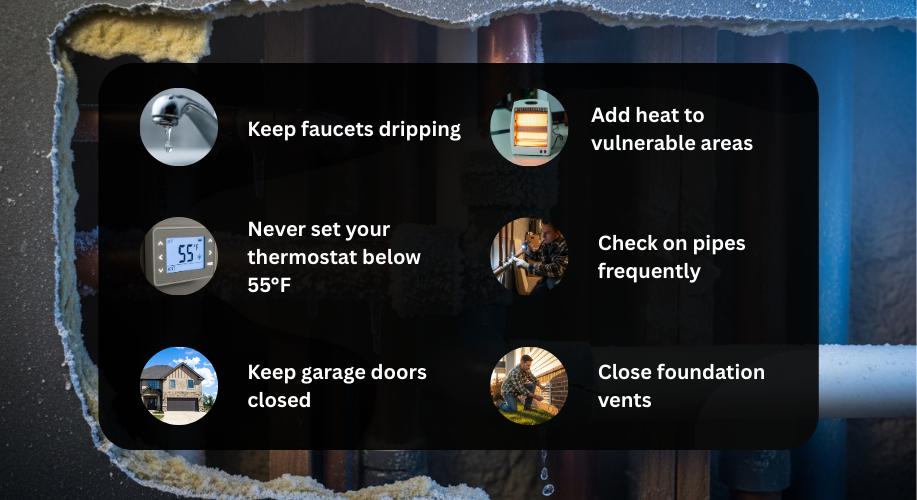
When sub-zero temperatures hit, your home’s plumbing is at high risk. Local winter-weather guidance from Idaho municipalities recommends these steps to help prevent frozen or burst pipes:
Keep all faucets dripping continuously throughout your home
Flowing water is much harder to freeze, which reduces pressure buildup that can burst pipes.Never set your thermostat below 55°F
Maintaining steady indoor heat helps protect pipes in unheated areas like basements, crawl spaces, or exterior-wall locations.Keep garage doors closed
Cold drafts from open doors can chill pipes in unheated spaces, increasing the risk of freezing.Add heat to vulnerable areas
Use safe, UL-listed space heaters in basements, crawl spaces, or near exposed pipes to supplement existing heat. For safety: keep heaters away from flammable materials, use them only while attended, and avoid open-flame devices.Check on pipes frequently
Inspect exposed or high-risk pipes for frost or reduced water flow, so you can act before major damage occurs.Close foundation vents in crawl spaces temporarily
Blocking cold drafts helps maintain warmer air around pipes and reduces the likelihood of freezing.
These recommendations are consistent with guidance from Idaho Falls and Twin Falls municipal resources, which advise homeowners to maintain heat, allow water to flow, and protect vulnerable pipes during extreme cold.
When to Call for Preventive Service
If you know your home has vulnerable pipes and extreme cold is forecast, calling a professional plumber before the freeze hits is smart planning. We can install heat tape on exposed pipes, add insulation to critical areas, or make repairs that prevent freezing. Preventative service costs far less than emergency burst pipe repair, which typically runs $300 to $800 for the plumbing work alone, not counting water damage restoration.
Recognizing and Responding to Frozen Pipes
Early detection of frozen pipes can prevent them from bursting and causing extensive damage.
Warning Signs Your Pipes Are Frozen
The most obvious sign is reduced or no water flow when you turn on a faucet. Other warning signs include:
- Frost visible on exposed pipes
- Strange odors from faucets or drains (frozen pipes trap sewer gases)
- Unusual banging or gurgling sounds when turning on the water
- Only a trickle instead of the normal water flow
- Consistently cold water when hot water should be flowing
Frozen vs. Burst Pipes: Understanding the Difference
A frozen pipe is blocked by ice but still structurally intact. A burst pipe has cracked or ruptured, allowing water to leak once it thaws. Sometimes pipes burst while frozen from the pressure of expanding ice. Other times, they burst during thawing as water flow resumes and finds the weakened area.
Safe Thawing Methods
If you can safely access frozen pipes and you’re certain they haven’t burst, you can attempt careful thawing:
- Open the faucet first so water can flow as ice melts and pressure can escape
- Apply gentle heat using a hair dryer, heating pad, or warm towels
- Work from the faucet backward toward the frozen section
- Be patient and keep applying gentle heat until full water flow returns
Never use these dangerous methods:
- Open flames or propane torches
- High-heat devices that can damage pipes
- Anything that could cause burns or start fires
If the frozen pipe is inside a wall, you can’t safely access it, or you’re uncertain about the situation, call a professional plumber immediately. Professional plumbers have specialized equipment to safely thaw pipes without causing damage.
What to Do When Pipes Burst
Despite your best prevention efforts, pipes can still burst during severe cold. Quick action minimizes damage.
Immediate Emergency Steps
- Shut off the main water supply immediately (know where this valve is before winter arrives)
- Open all faucets to drain remaining water and relieve pressure
- Turn off your water heater to prevent damage from a lack of water flow
- Document the damage with photos for insurance purposes
- Remove standing water quickly to prevent mold growth
- Call a licensed plumber for emergency repairs.
Understanding the Damage Potential
A burst pipe can release hundreds of gallons of water per hour, causing:
- Soaked drywall and insulation requiring replacement
- Damaged flooring and subflooring
- Ruined personal belongings and furniture
- Structural damage, if not addressed quickly
- Mold growth within 24 to 48 hours in wet areas
According to insurance industry data, while the average claim is around $12,500 to $13,954, severe cases involving significant structural damage or delayed discovery can exceed $50,000 in total repair costs.
Emergency Response Times
Local plumbing services often provide 24/7 emergency response. During winter emergencies, they prioritize burst pipe calls and typically respond within 1 to 2 hours. We carry the equipment and materials needed to make immediate repairs and stop water damage from getting worse.
Long-Term Prevention: Protecting Your Home Before Winter
The most effective strategy is preparing your plumbing before freezing weather arrives each year.
Professional Winterization Services
Consider scheduling a fall plumbing inspection that includes:
- Identifying vulnerable pipes throughout your home
- Installing appropriate insulation on at-risk pipes
- Adding heat tape where needed for extra protection
- Checking and repairing outdoor faucet shutoff valves
- Assessing crawl space protection and ventilation
- Creating a customized winter preparation plan
Idaho plumbing code includes specific requirements for pipe insulation in colder climates, and professional plumbers understand these standards and can ensure your home meets them.
Best Insulation Materials for Idaho Winters
Different situations call for different insulation approaches:
Foam pipe insulation is the most common solution for accessible pipes. These foam tubes slip over pipes and provide good protection for the cost. They’re available at local hardware stores and are DIY-friendly for homeowners comfortable with basic tasks.
Heat tape or heat cables offer active protection for extremely vulnerable pipes, especially in crawl spaces. These electrical heating elements wrap around pipes and activate when temperatures drop. Professional installation is recommended for safety.
Fiberglass insulation works well for pipes in enclosed spaces like walls or between floor joists. It’s often combined with other methods for comprehensive protection.
Cost-Effective Solutions
Winterization doesn’t have to break the bank. Basic foam insulation for an average home’s vulnerable pipes typically costs $50 to $150 in materials. Professional installation of heat tape for critical areas runs $200 to $500, depending on the extent of work needed.
Compare these modest investments to the $12,500+ average cost of water damage from burst pipes, and the value of prevention becomes crystal clear.
Creating Your Winter Preparation Checklist
Having a systematic approach to winter preparation ensures you don’t overlook critical protection steps.
Early Fall (September-October)
- Schedule a professional plumbing inspection
- Install or replace pipe insulation as needed
- Test outdoor faucet shutoff valves
- Check crawl space insulation and ventilation
- Verify you know where the main water shutoff is located
Late Fall (November)
- Disconnect and store outdoor hoses
- Drain and shut off outdoor faucets
- Service your heating system for winter
- Stock emergency supplies (pipe insulation, plumber’s contact info)
- Review winter emergency procedures with family members
Throughout Winter
- Monitor weather forecasts for extreme cold warnings
- Let faucets drip during sustained freezing temperatures
- Keep cabinet doors open during cold snaps
- Check vulnerable pipes during severe weather
- Maintain consistent home heating
Emergency Preparedness
Keep a basic emergency kit accessible that includes:
- Contact information for TRW Plumbing
- Location map of your main water shutoff valve
- Basic tools (adjustable wrench, pipe wrench)
- Flashlight with fresh batteries
- Hair dryer for safe pipe thawing
- Temporary pipe repair materials
Being prepared means you can respond quickly if problems develop, potentially preventing minor issues from becoming major disasters.
When to Call Professional Help
Knowing when to handle something yourself versus calling a professional can save you money and prevent problems from getting worse.
DIY-Appropriate Tasks
Homeowners can typically handle:
- Disconnecting and draining outdoor hoses
- Installing foam pipe insulation on accessible pipes
- Letting faucets drip during cold weather
- Opening cabinet doors for heat circulation
- Monitoring vulnerable areas during cold snaps
Situations Requiring Professional Service
Call TRW Plumbing when:
- You discover frozen pipes you can’t safely access
- Pipes make unusual sounds or show frost buildup
- You have no water flow and suspect freezing
- A pipe has burst or is actively leaking
- You need permanent solutions like rerouting vulnerable pipes
- Extreme cold is forecast, and you have high-risk pipe locations
- You’re preparing an older home for winter
As discussed in our guide on professional versus DIY plumbing work, attempting complex repairs without proper knowledge and tools often leads to bigger problems and higher costs.
Protecting Your Twin Falls Home This Winter
Idaho winters are predictable in one way: freezing temperatures will arrive. What’s not predictable is whether your pipes will survive them. The homeowners who avoid frozen pipe disasters are those who prepare before the first freeze and take action when cold weather hits.
Understanding temperature thresholds gives you the knowledge to act at the right time. Knowing your home’s vulnerable areas lets you focus protection where it’s needed most. Having a prevention plan ready means you’re not scrambling when temperatures drop.
Most importantly, knowing when to call for professional help can be the difference between a minor inconvenience and a major disaster. TRW Plumbing has helped hundreds of Magic Valley homeowners protect their plumbing from Idaho winters over our two decades of local service.
Ready to winterize your plumbing? Call or text TRW Plumbing at (208) 410-2044 or visit our website to schedule your fall plumbing inspection. Don’t wait until water stops flowing or pipes burst. Preventative service costs a fraction of emergency repairs and gives you peace of mind throughout winter.
Frequently Asked Questions About Frozen Pipes in Twin Falls
At what temperature do pipes freeze in Idaho homes?
Pipes typically begin freezing when temperatures drop to 20°F or below for several hours. While water freezes at 32°F, pipes benefit from some insulation provided by surrounding building materials and home heating. However, exposed pipes in crawl spaces, attics, or along exterior walls can freeze at higher temperatures, especially during prolonged cold spells. Wind chill also affects pipes in exterior walls, potentially causing freezing at temperatures above 20°F. According to NOAA data, Twin Falls can experience temperatures below 9°F during severe cold snaps, making proper protection essential.
How long does it take for pipes to freeze in Twin Falls?
Exposed pipes in unheated areas can freeze in just 6 to 8 hours when temperatures drop below 20°F. Well-insulated pipes in heated spaces might survive several days of freezing weather. The freezing time depends on how cold temperatures get, how long they stay low, wind conditions, and how much insulation or heat reaches the pipes. Prolonged cold is more dangerous than brief temperature drops. Idaho’s freeze-thaw cycles can be particularly damaging because pipes expand and contract repeatedly, weakening connections over time.
Should I let my faucets drip during freezing weather?
Yes, letting faucets drip when temperatures drop below 20°F helps prevent frozen pipes. Moving water is much harder to freeze than standing water. The drip doesn’t need to be large. A pencil-lead-sized stream is sufficient for normal cold, but increases to a steady drip during extreme cold below 0°F. Focus on faucets connected to vulnerable pipes along exterior walls, in crawl spaces, or serving unheated areas. The small increase in your water bill (typically just a few dollars) is far less than the $12,500+ average cost of burst pipe water damage, according to insurance industry data.
What should I do if I discover frozen pipes in my home?
First, open the faucet so water can flow when the ice melts and pressure can escape. If you can safely access the frozen pipe, apply gentle heat using a hair dryer, heating pad, or warm towels, working from the faucet toward the frozen section. Never use open flames, propane torches, or high-heat devices, as these can damage pipes, cause fires, or create dangerous steam buildup. If the pipe is inside a wall, you can’t access it safely, or you’re uncertain about the situation, call a professional plumber immediately. Don’t wait, as frozen pipes can burst and cause extensive water damage.
How much does burst pipe repair cost in Twin Falls?
The cost varies widely depending on pipe location, extent of damage, and how quickly the problem is addressed. Simple pipe repairs might cost $300 to $800 for the plumbing work itself. However, total costs including water damage remediation, drywall repair, flooring replacement, and mold prevention typically range from $5,000 to $15,000. According to insurance industry statistics, the average water damage claim (including frozen and burst pipes) costs $12,500 to $13,954. Severe cases involving significant structural damage can exceed $50,000. This is why prevention is so critical. Spending $200 to $500 on winterization is far better than thousands in emergency repairs and water damage restoration.
Can I prevent frozen pipes in older Twin Falls homes?
Yes, older homes can absolutely be protected with the right measures. Start by adding foam pipe insulation to all exposed pipes in vulnerable areas. Seal air leaks around pipes where they pass through walls or floors. Install heat tape on the most vulnerable pipe sections, particularly in crawl spaces or along exterior walls. Improve crawl space and attic insulation to reduce cold air penetration. Keep cabinet doors open during cold snaps to allow warm air circulation around pipes. A professional plumber can assess your older home and recommend upgrades that address your property’s unique vulnerabilities. Many older Twin Falls homes were built before modern insulation standards, but targeted improvements can provide excellent protection.
What areas of my home are most at risk for frozen pipes?
The highest-risk areas include outdoor faucets and hose bibs, pipes in unheated crawl spaces, pipes along exterior walls (especially north-facing walls with minimal sun exposure), pipes in unheated garages, pipes in attics, and pipes in uninsulated basements. Any pipe exposed to temperatures below 20°F without adequate insulation or a heat source is vulnerable. During a fall home inspection, identify these areas and prioritize protection there. Understanding your home’s specific risk zones allows you to focus prevention efforts where they matter most, rather than trying to protect every pipe equally.
Does homeowner’s insurance cover frozen pipe damage in Twin Falls?
Most homeowner’s insurance policies cover sudden damage from burst pipes, but typically not damage resulting from neglect or lack of maintenance. If you take reasonable precautions (maintaining heat, protecting vulnerable pipes) and pipes still freeze and burst, damage is usually covered. However, if you left your home unheated during winter, ignored obvious risks, or failed to maintain your property properly, claims may be denied. Review your specific policy details and maintain your home appropriately to ensure coverage. Document your winterization efforts and keep maintenance records. If a burst pipe does occur, document the damage with photos immediately and contact your insurance company promptly.
When should I call an emergency plumber for frozen pipes?
Call TRW Plumbing immediately if you have no water flow and suspect frozen pipes, you hear pipes banging or making unusual sounds, you see frost forming on exposed pipes, you discover a burst pipe or active leak, temperatures will stay below 0°F, and you have vulnerable pipes, or you can’t safely access frozen pipes to thaw them yourself. Emergency service is available 24/7 because frozen pipe situations worsen quickly. The longer a pipe stays frozen, the more likely it is to burst. A prompt professional response can often save pipes before they rupture and prevent the extensive water damage that results from burst pipes.
How can a professional plumber help you prepare for Idaho winters?
Comprehensive winterization services, including thorough inspection of your home to identify vulnerable pipes, professional installation of pipe insulation in critical areas, adding heat tape where needed for extra protection, repairing or replacing outdoor faucet shutoff valves, assessing and improving crawl space protection and ventilation, and creating a customized winter preparation plan specific to your home’s needs. Schedule a fall inspection before freezing weather arrives to protect your plumbing investment. Our 24 years of experience serving Twin Falls means we understand the specific challenges Idaho winters present and know which solutions work best for homes in our area. Prevention is always more affordable than emergency repairs.
This blog was created with the expertise of LeadProspecting Ai, a specialized content service that helps local service businesses create high-quality, SEO-optimized content that educates customers and drives business growth. LeadProspecting AI combines industry research, local market knowledge, and proven content strategies to produce blogs that rank well in search engines and build trust with potential customers.