TL;DR: The most common toilet problems in Twin Falls are running toilets, frequent clogs, leaks, and weak flushes. Many issues stem from hard water mineral buildup and aging components. Simple repairs like replacing flappers cost $5-$30 in parts for DIY or $60-$120 professionally installed. More complex issues like wax ring leaks require professional service to prevent water damage. Understanding which problems you can handle and which need expert help saves time, money, and prevents bigger damage.
Your toilet works perfectly until suddenly it doesn’t. Maybe it’s running constantly, wasting hundreds of gallons of water and driving up your utility bill. Perhaps it clogs every few days, creating frustration and inconvenience. Or you’ve noticed water pooling around the base, threatening your bathroom floor.
Toilet problems never happen at convenient times, and they never fix themselves. Left unaddressed, they waste water, increase costs, and can cause serious damage to your home. The good news is that many common toilet issues have straightforward solutions when you understand what’s causing them.
As local plumbers who’ve served Twin Falls for over two decades, we’ve seen every toilet problem imaginable. Some homeowners can handle themselves with basic tools and a little guidance. Others require professional expertise to prevent expensive water damage or ensure repairs last. Knowing the difference saves you time, money, and frustration.
This guide covers the four most common toilet problems we encounter in Magic Valley homes, explains what causes them, and provides clear guidance on when to DIY and when to call for help.
Why Toilet Problems Are More Common in Twin Falls Homes
Before diving into specific problems, it’s worth understanding why toilets in our area face unique challenges.
Hard Water Takes a Toll
Twin Falls water measures 15-20 grains per gallon, placing it in the “very hard” category. This mineral-rich water accelerates wear on toilet components in several ways. Calcium and magnesium deposits build up on flappers, causing them to warp and fail prematurely. Mineral accumulation clogs the small jets under the toilet rim, reducing flush power. Fill valves become encrusted with scale, leading to running toilets and fill problems.
Components that might last 7-10 years in soft water areas often fail after just 4-5 years here. This isn’t a defect in the parts. It’s the reality of operating plumbing in hard water conditions.
Temperature Extremes Stress Components
Idaho’s dramatic temperature swings, from below-zero winters to 90°F summers, cause toilet tanks to “sweat” and components to expand and contract. This temperature stress, combined with mineral buildup, creates the perfect storm for toilet problems.
Older Homes Have Aging Plumbing
Many homes in Twin Falls, Jerome, and Kimberly were built decades ago with original toilets still in service. While toilets can last 20-50 years, their efficiency and reliability decline significantly after 15-20 years of use. Older low-flow models often lack the flush power of modern designs, leading to frequent clogs.
Understanding these local factors helps explain why regular plumbing maintenance is especially important in our area.
Problem #1: Running Toilets (The Silent Water Waster)
A constantly running toilet is one of the most common and costly problems homeowners face. The sound of continuous water flow from tank to bowl signals that something isn’t working correctly.
What Causes Toilets to Run Continuously
Running toilets occur when water flows from the tank into the bowl without stopping. Two components typically cause this issue:
The flapper valve is the most frequent culprit. This rubber seal at the bottom of the tank lifts when you flush, allowing water to flow into the bowl. When the flush cycle completes, the flapper should drop and create a watertight seal. However, mineral deposits from hard water cause flappers to warp, crack, or develop a rough surface that prevents proper sealing. Over time, the rubber deteriorates and loses flexibility.
The fill valve (also called a ballcock) can also cause running toilets. This component controls water flow into the tank after flushing. When it malfunctions, water continuously flows into the overflow tube. Signs of fill valve problems include constant hissing sounds, difficulty adjusting water level, and water flowing even when the flapper is sealed properly.
The Real Cost of Running Toilets
According to the EPA’s WaterSense program, the average leaking toilet wastes about 200 gallons per day. That’s over 6,000 gallons monthly. For perspective, a family of four typically uses about 12,000 gallons per month for all purposes, so a running toilet can nearly double your water usage.
Here’s what different leak severities actually cost:
| Leak Severity | Gallons Wasted Per Day | Monthly Water Waste | Estimated Monthly Cost* | Annual Water Waste |
|---|---|---|---|---|
| Small drip | 30 gallons | 900 gallons | $10-$15 | 10,950 gallons |
| Moderate leak | 90 gallons | 2,700 gallons | $30-$45 | 32,850 gallons |
| Average running toilet | 200 gallons | 6,000 gallons | $65-$100 | 73,000 gallons |
| Severe running toilet | 400+ gallons | 12,000+ gallons | $130-$200+ | 146,000+ gallons |
*Cost estimates based on combined water and sewer rates in Twin Falls. Actual costs vary by household usage tier.
Approximately 10% of homes have leaks wasting 90 gallons or more daily, totaling nearly 33,000 gallons annually per household. In Twin Falls, where water and sewer rates apply, even moderate leaks add significantly to utility bills.
Beyond financial costs, this waste affects our regional water resources. Nearly 900 billion gallons of water are wasted annually nationwide from household leaks, with toilets being a major contributor.
How to Fix a Faulty Flapper
Replacing a flapper is one of the easiest plumbing repairs homeowners can handle:
- Turn off the water supply using the valve behind the toilet (turn clockwise)
- Flush the toilet to empty the tank
- Remove the old flapper by unhooking it from the flush valve ears and disconnecting the chain
- Take the old flapper to a hardware store to ensure you buy the correct replacement (there are different sizes and styles)
- Install the new flapper by hooking it onto the flush valve and attaching the chain with slight slack (about 1/2 inch)
- Turn the water back on and test several flushes
Flapper replacement costs $5-$30 for parts if you do it yourself, or $60-$120 for professional installation. In Twin Falls’ hard water conditions, flappers typically last 4-5 years before needing replacement.
When to Replace the Fill Valve
If replacing the flapper doesn’t stop the running, the fill valve needs attention. Signs include:
- Water continuously flowing into the overflow tube
- Hissing or whistling sounds from the tank
- Inability to adjust water level properly
- Visible mineral buildup on the fill valve mechanism
Fill valve replacement is more complex than flapper replacement but still manageable for handy homeowners. The repair involves shutting off water, disconnecting the supply line, removing the old valve, and installing a new one. Professional installation costs $60-$150 and ensures proper function.
If you’re uncomfortable with this repair or if problems persist after replacing both components, consider calling a professional plumber. Sometimes running toilets indicate more complex issues that require expert diagnosis.
Problem #2: Frequent Clogs (The Repeat Offender)
An occasional toilet clog is normal. Frequent clogs that happen weekly or even daily indicate underlying problems that need attention.
Why Some Toilets Clog Repeatedly
One-time clogs usually result from too much toilet paper or accidentally flushed items. Frequent clogs suggest bigger issues:
Mineral buildup in the trapway is extremely common in Twin Falls due to hard water. Over years, calcium and magnesium deposits accumulate inside the curved pipe section under the toilet bowl, gradually narrowing the passage. What started as a 2-inch opening might be reduced to 1 inch or less, making clogs inevitable.
Clogged rim jets reduce flush power. Small holes under the toilet rim direct water into the bowl during flushing. Hard water clogs these jets with mineral deposits, weakening the flush and making clogs more likely. If you notice weak swirling during flushes or some rim jets not flowing, this is likely the problem.
Low-flow toilet design issues affect some older models. First-generation low-flow toilets from the 1990s often lack adequate flush power, especially when combined with hard water buildup. Modern toilets flush much more effectively while using the same amount of water.
Sewer line problems can cause toilets to clog frequently. Tree roots invading your main sewer line, improper pipe slope, or partial blockages affect all drains in your home but often show up as toilet clogs first since toilets have the largest drain opening.
The Right Way to Use a Plunger
Most people don’t use plungers correctly, reducing their effectiveness. Here’s the proper technique:
Use a toilet plunger (with an extended flange) rather than a sink plunger. The flange fits into the toilet drain opening, creating better suction. Add water to the bowl if needed so the plunger cup is fully submerged. Position the plunger over the drain hole and press down gently to expel air from the cup. Then pull up sharply. This pulling motion creates the suction that dislodges clogs.
Push and pull vigorously 15-20 times while maintaining the seal. Often the clog clears suddenly with a satisfying whoosh as water drains. If plunging doesn’t work after several attempts, move to the next tool.
When You Need a Toilet Auger
A toilet auger (also called a closet auger) is specifically designed for toilet clogs that resist plunging. This tool has a protective rubber sleeve that prevents scratching porcelain and a flexible cable that extends several feet into the drain to break through stubborn clogs.
Insert the auger into the drain opening, crank the handle to extend the cable, and work it back and forth to break through the blockage. Augers cost $15-$40 and are worth having if you experience frequent clogs.
Preventing Future Clogs
Simple habits dramatically reduce clog frequency:
- Only flush toilet paper and human waste. Never flush items marketed as “flushable” (even wipes labeled flushable), paper towels, facial tissues, feminine hygiene products, cotton swabs, dental floss, or anything besides toilet paper.
- Use reasonable amounts of toilet paper. If you need a lot, flush halfway through rather than attempting to flush a large amount at once.
- Keep a small trash can in the bathroom for items that shouldn’t be flushed. This is especially important for teaching children proper toilet use.
- Clean rim jets regularly. Use a small mirror to look under the rim and a wire or old toothbrush to clear mineral buildup from the jets.
If your toilet clogs more than once a month despite proper use, call a professional plumber to diagnose the underlying cause. A plumber can camera inspect your drain lines, address mineral buildup, or recommend toilet replacement if your current model is simply inadequate.
Problem #3: Toilet Leaks (The Floor Damage Threat)
Water around your toilet is never normal and always requires prompt attention. Leaks damage flooring, subfloors, and even ceilings below if not addressed quickly.
Common Leak Locations
Toilets can leak from several locations, each requiring different repairs:
Base leaks occur where the toilet meets the floor. These usually indicate a failed wax ring, the seal between the toilet drain and the floor drain pipe. Water appears during or shortly after flushing. Base leaks are serious because water seeps into the subfloor, causing rot, mold, and structural damage.
Tank-to-bowl leaks happen at the connection between the tank and bowl. Look for water dripping down the outside of the bowl below the tank. These leaks result from deteriorated tank bolts, washers, or the gasket that seals this connection.
Supply line leaks occur at the connection between the water supply valve and the toilet tank. These are usually minor and may only require tightening the connection nut. However, old supply lines can crack and need replacement.
Tank cracks are less common but serious. Hairline cracks in the porcelain can develop over time, allowing slow water seepage. These aren’t repairable. The tank or entire toilet needs replacement.
Distinguishing Leaks from Condensation
Before assuming you have a leak, rule out condensation. In humid conditions or when cold water fills a warm tank, moisture condenses on the tank exterior (called “sweating”). This isn’t a leak, just physics.
The food coloring test confirms real leaks. Add several drops of food coloring to the tank water and wait 15-20 minutes without flushing. If colored water appears in the bowl or on the floor, you have a leak. If the tank exterior is just wet from condensation, improve bathroom ventilation with exhaust fans or consider an insulated tank.
The Serious Nature of Wax Ring Leaks
Wax ring replacement is one of the most important toilet repairs. The wax ring creates a watertight, airtight seal between the toilet base and the drain pipe in your floor. When this seal fails, water leaks during every flush, potentially causing extensive damage.
Wax rings fail for several reasons: the toilet was installed improperly and rocks slightly with use, breaking the seal over time. The floor has settled, creating gaps. The wax has simply dried out and deteriorated after decades of service.
Replacing a wax ring requires completely removing the toilet, scraping away old wax from both the toilet base and floor flange, installing a new wax ring, and properly reseating the toilet with even pressure. The toilet must be level and secured firmly without over-tightening bolts (which can crack the porcelain base).
Professional wax ring replacement costs $60-$200 depending on complications. This is typically not a DIY project unless you have plumbing experience. Improper installation can cause worse leaks, damage the toilet, or result in sewer gas entering your home.
As explained in our guide on professional repairs, some plumbing work requires expertise to prevent bigger problems. Wax ring replacement is one of those situations.
When Leaks Become Emergencies
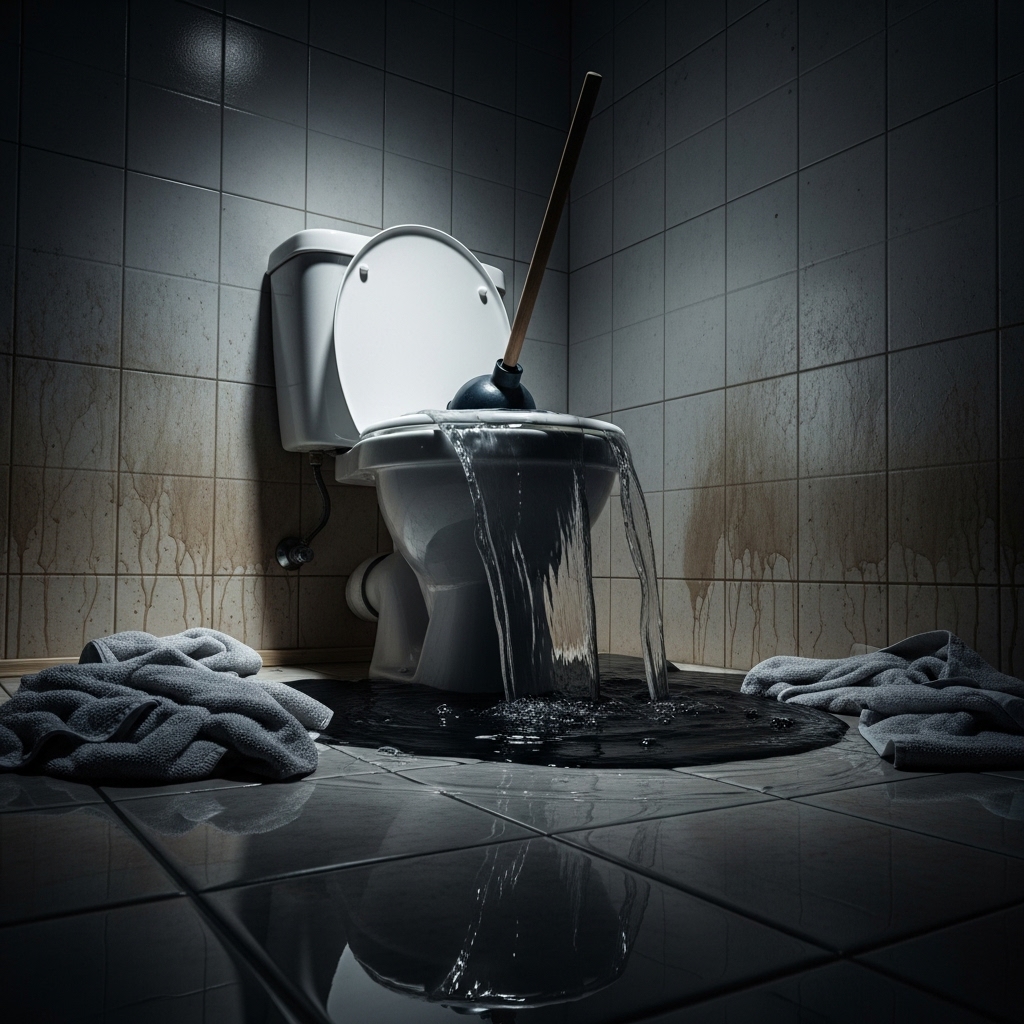
Any leak actively spreading water across your bathroom floor needs immediate attention. Take these steps:
- Shut off the water supply at the valve behind the toilet
- Mop up standing water immediately to prevent floor damage
- Place towels around the base to absorb ongoing seepage
- Call a plumber for emergency service if the leak is substantial
Even small, slow leaks shouldn’t be ignored. Water damage accumulates over time, and what seems minor today can become a major repair project within weeks or months.
Problem #4: Weak or Incomplete Flushes
A toilet that doesn’t flush properly creates obvious problems. Understanding the causes helps determine whether you can fix it yourself or need professional help.
What Causes Weak Flushes
Several factors can reduce flush effectiveness:
Low water level in the tank is the simplest cause. The tank should fill to about one inch below the top of the overflow tube. If water level is lower, the flush lacks power. This can result from an improperly adjusted fill valve or a fill valve that’s failing.
Clogged rim jets significantly weaken flushes. These small holes under the rim direct water forcefully into the bowl during flushing. Hard water mineral buildup clogs these jets, reducing water flow. Look under the rim with a mirror. If you see mineral deposits or some jets aren’t flowing during a flush, cleaning is needed.
Partial clogs in the trapway reduce but don’t completely block water flow. The toilet flushes, but slowly or incompletely. This often progresses to complete clogs if not addressed.
Failing flapper valves that drop too quickly don’t allow enough water to enter the bowl during the flush cycle. The flapper might be warped, too light, or the chain might have too much slack.
How to Adjust Tank Water Level
Most modern fill valves have adjustment mechanisms:
Float cup fill valves have an adjustment rod or screw on the side. Turn the screw clockwise to raise water level, counterclockwise to lower it. Make small adjustments and test several flushes to verify proper level.
Ball float fill valves use a metal arm with a ball that floats on the water surface. Carefully bend this arm slightly upward to raise water level. Be gentle to avoid breaking the arm.
The goal is water reaching about one inch below the overflow tube top. This provides optimal flush power while preventing water from flowing into the overflow.
Cleaning Rim Jets
Cleaning rim jets restores flush power in toilets affected by mineral buildup:
- Shut off the water and flush to empty the tank
- Use a small mirror to inspect under the rim
- Poke a wire or straightened paper clip into each jet hole to break through mineral deposits
- Pour white vinegar into the overflow tube (fill about 1/3 of the tank) and let sit for several hours or overnight to dissolve minerals
- Turn water back on and flush several times
This simple maintenance dramatically improves flush performance in hard water areas and should be done annually.
When Toilet Replacement Makes More Sense
Sometimes repair isn’t the best answer. Consider replacement if:
- Your toilet is more than 15-20 years old and having multiple problems
- The tank or bowl has cracks
- You have an older low-flow model that clogs constantly
- Repair costs approach $200-300 (near the cost of a decent replacement toilet)
Modern toilets flush much more effectively than older models while using the same 1.6 gallons per flush. Better bowl design and flushing mechanisms mean fewer clogs even with hard water. Toilets typically last 20-50 years, but their efficiency and reliability decline significantly in the later years.
A professional plumber can assess whether repair or replacement makes more sense for your specific situation, considering both immediate costs and long-term value.
Common Toilet Problems: When to DIY vs. Call a Professional
Understanding your limits prevents making problems worse and potentially costing more in the long run.
Problems Homeowners Can Usually Handle
With basic tools and careful attention to instructions, most homeowners can successfully:
- Replace toilet flappers
- Adjust tank water levels
- Plunge basic clogs
- Clean rim jets
- Tighten loose tank bolts or supply connections
- Replace supply lines
These repairs use readily available parts, don’t require removing the toilet, and carry low risk if done incorrectly (worst case, you still need to call a plumber).
Cost Comparison: DIY vs. Professional Repair
Understanding the cost difference helps you make informed decisions:
| Repair Type | DIY Parts Cost | Professional Service Cost | Difficulty Level | Recommendation |
|---|---|---|---|---|
| Replace flapper | $5-$30 | $60-$120 | Easy | Good DIY project |
| Replace fill valve | $15-$40 | $60-$150 | Moderate | DIY if comfortable |
| Adjust water level | Free | $100-$150 (service call) | Very Easy | DIY recommended |
| Plunge basic clog | $15-$30 (plunger) | $150-$250 | Easy | Try DIY first |
| Replace wax ring | $5-$15 (ring only) | $60-$200 | Difficult | Professional recommended |
| Clear stubborn clog | $15-$40 (auger) | $150-$300+ | Moderate-Hard | Professional if DIY fails |
| Fix tank-to-bowl leak | $10-$25 | $100-$200 | Moderate | Professional recommended |
| Replace supply line | $10-$25 | $80-$150 | Easy-Moderate | DIY if accessible |
Professional costs include service call, labor, and materials. Based on 2024-2025 industry data.
Problems That Need Professional Attention
Call a professional plumber for:
- Toilet removal and reinstallation for wax ring replacement or any reason. This requires proper technique to prevent leaks, cracks, or sewer gas problems.
- Persistent clogs that don’t respond to plunging and augering. These might indicate main sewer line problems requiring camera inspection and professional equipment.
- Cracked tanks or bowls that need replacement and proper disposal.
- Multiple simultaneous problems that suggest underlying issues beyond simple repairs.
- Situations where you’re unsure about diagnosis or repair. Getting it right the first time saves money compared to attempting DIY repairs that don’t solve the problem.
According to industry data, toilet repairs cost an average of $271, with most repairs falling in the $150-$391 range. While this might seem expensive compared to DIY parts costs, professional service ensures correct diagnosis, proper repairs, and warranty coverage if problems recur.
Preventing Toilet Problems in Twin Falls Homes
Preventative maintenance is always cheaper than emergency repairs. Regular attention keeps toilets working reliably for years.
Monthly Quick Checks
Spend just a few minutes monthly inspecting your toilets:
- Listen for running water when the toilet hasn’t been used recently
- Check around the base for moisture or water stains
- Verify flush performance is strong and complete
- Look under the rim for mineral buildup
- Test that the toilet sits firmly without rocking
These quick checks catch problems early when they’re easier and cheaper to fix.
Annual Maintenance Tasks
Once a year, perform more thorough maintenance:
- Clean rim jets to remove mineral deposits
- Inspect all tank components for wear (flappers, fill valves, flush valves)
- Check supply lines for cracks or bulging
- Verify tank bolts aren’t corroded
- Test the flush valve for proper operation
In Twin Falls’ hard water conditions, flappers should be replaced every 4-5 years even if they seem to be working. Waiting until they fail often means discovering the problem through a high water bill.
Professional Inspections
Consider scheduling professional plumbing inspections annually. Comprehensive inspections identify potential problems before they cause emergencies, saving money compared to dealing with unexpected failures. This proactive approach is especially valuable in older homes or if you’ve experienced repeated toilet problems.
Get Expert Help for Your Toilet Problems
Most toilet problems in Twin Falls fall into four main categories: running toilets, frequent clogs, leaks, and weak flushes. While homeowners can handle simple repairs like replacing flappers or plunging basic clogs, problems involving toilet removal, persistent issues, or cracked components need professional expertise.
Understanding which problems you can tackle and which need professional service saves time, prevents damage to your home, and ensures repairs last. TRW Plumbing has served Twin Falls and Magic Valley for over two decades, and we understand the unique challenges hard water and local conditions create for toilet performance.
Whether you’re dealing with a toilet that’s driving up your water bill, clogs that won’t quit, mysterious leaks, or weak flushes, we’re here to help with honest diagnosis and lasting repairs.
Need toilet repair or replacement? Call or text TRW Plumbing at (208) 423-3276 or visit our website to schedule service. We offer evening and weekend appointments to work around your schedule.
Frequently Asked Questions About Toilet Problems
How much does it cost to fix a running toilet in Twin Falls?
Professional repair for a running toilet typically costs between $150 and $391, with the national average around $271. Simple flapper replacement costs $60-$120 professionally installed. If the fill valve needs replacement, costs increase to $60-$150 for that component. DIY repairs cost just $5-$30 in parts if you’re comfortable doing the work yourself. Professional service ensures correct diagnosis, uses quality parts, and includes warranty coverage if problems recur.
Why does my toilet clog so frequently?
Frequent clogs indicate underlying problems beyond what you’re flushing. Hard water mineral buildup gradually narrows the trapway inside the toilet, making clogs more likely. Clogged rim jets reduce flush power, allowing waste to accumulate rather than clear completely. Low-flow toilets, especially older models from the 1990s, sometimes lack adequate flush power for hard water conditions. Tree roots invading your sewer line or septic system issues can also cause repeated clogs. If your toilet clogs more than once a month despite proper use, call a professional plumber to diagnose the root cause rather than repeatedly treating symptoms.
How do I know if my toilet leak is serious?
Any leak creating standing water on your bathroom floor is serious and needs immediate attention. Water damages flooring, penetrates subfloors, and creates conditions for mold growth within 24-48 hours. Leaks at the toilet base usually indicate a failed wax ring, which allows water to seep into your floor structure with every flush. Supply line leaks need prompt repair to prevent water damage. Even small, slow leaks shouldn’t be ignored because damage accumulates over time. When in doubt about leak severity, call a professional plumber for assessment. Emergency service is available 24/7 for active leaks causing water damage.
Can I replace a toilet flapper myself?
Yes, replacing a toilet flapper is one of the easiest plumbing repairs homeowners can do themselves. Turn off the water supply behind the toilet, flush to empty the tank, unhook the old flapper from the flush valve, take it to a hardware store to get the correct replacement, install the new flapper by hooking it to the flush valve and connecting the chain with slight slack, and turn water back on to test. The job takes 15-20 minutes and costs $5-$30 for parts. In Twin Falls’ hard water conditions, flappers typically need replacement every 4-5 years. If you’re uncomfortable with any step or if replacing the flapper doesn’t fix the running toilet, call a professional plumber for service.
When should I replace my toilet instead of repairing it?
Replace your toilet if it has cracks in the tank or bowl (these aren’t repairable and can cause sudden flooding), is more than 15-20 years old and experiencing multiple problems, requires expensive repairs approaching $200-$300 (near the cost of replacement), or is an older low-flow model that clogs constantly despite proper use. Modern toilets flush much more effectively while using the same 1.6 gallons per flush. They’re designed to handle hard water better and resist mineral buildup more effectively than older models. Toilets can last 20-50 years, but efficiency declines significantly after 15-20 years. A professional plumber can assess whether repair or replacement makes more financial sense for your specific situation.
What should I never flush down my toilet?
Only flush toilet paper and human waste. Never flush items marketed as “flushable” including wipes (even those labeled flushable), paper towels, facial tissues, feminine hygiene products, cotton swabs or balls, dental floss, medications, cat litter, cigarette butts, food waste, cooking grease, or anything besides toilet paper. These items don’t break down in water like toilet paper does, leading to clogs in your toilet, drain pipes, or main sewer line. Keep a small trash can with a lid in your bathroom for items that shouldn’t be flushed. Teaching children proper toilet use prevents many plumbing problems and expensive service calls.
How much water does a running toilet waste?
According to the EPA, the average leaking toilet wastes about 200 gallons per day, which equals 6,000 gallons monthly. More severe leaks can waste even more. Approximately 10% of homes have leaks wasting 90 gallons or more daily, totaling nearly 33,000 gallons annually per household. In Twin Falls, where you pay for both water and sewer based on usage, a running toilet can add $50-$150 or more to monthly utility bills depending on leak severity. Fixing a running toilet is one of the most important plumbing repairs for both your wallet and environmental conservation. The repair typically pays for itself within one to three months through reduced water bills.
Should I try to fix toilet problems myself or call TRW Plumbing?
Simple repairs like replacing a flapper, adjusting water level, plunging basic clogs, or tightening loose connections are reasonable DIY projects if you’re comfortable with basic tools and following instructions. Call a professional plumber if you need to remove the toilet for any reason (like wax ring replacement), suspect sewer line problems, have persistent issues that don’t respond to basic fixes, aren’t confident in diagnosing the problem correctly, discover cracks in the tank or bowl, or simply want to ensure repair is done correctly the first time. Professional service costs more initially but prevents the expense of fixing DIY mistakes or addressing water damage from improper repairs. Many homeowners find that peace of mind and warranty coverage justify professional service costs.
What causes toilet problems to be more common in Twin Falls homes?
Twin Falls water measures 15-20 grains per gallon, placing it in the very hard water category. This mineral-rich water accelerates mineral buildup on flappers causing them to warp and fail prematurely (typically 4-5 years vs. 7-10 in soft water areas), clogs rim jets reducing flush power, and accumulates inside trapways narrowing the passage and causing frequent clogs. Idaho’s extreme temperature swings (from below-zero winters to 90°F summers) stress toilet components through expansion and contraction. Many older homes in the area have original toilets wearing out after decades of use. These local factors make regular maintenance more important and component replacement more frequent than in areas with softer water and milder climates.
How can I prevent toilet clogs in my home?
Only flush toilet paper and human waste. Use reasonable amounts of toilet paper per flush. If you need a lot, flush halfway through rather than attempting to flush it all at once. Keep a small trash can with a lid in the bathroom for items that shouldn’t be flushed. Never flush wipes (even those labeled flushable), paper towels, feminine products, cotton items, or dental floss. Clean rim jets annually to remove mineral buildup that reduces flush power. If you have an older low-flow toilet that clogs frequently despite proper use, consider upgrading to a modern high-efficiency model designed to handle hard water conditions better. Professional drain cleaning by TRW Plumbing also prevents buildup that leads to clogs.
This blog was created with the expertise of LeadProspecting AI, a specialized content service that helps local service businesses create high-quality, SEO-optimized content that educates customers and drives business results. LeadProspecting AI combines industry research, local market knowledge, and proven content strategies to produce blogs that rank well in search engines and build trust with potential customers.