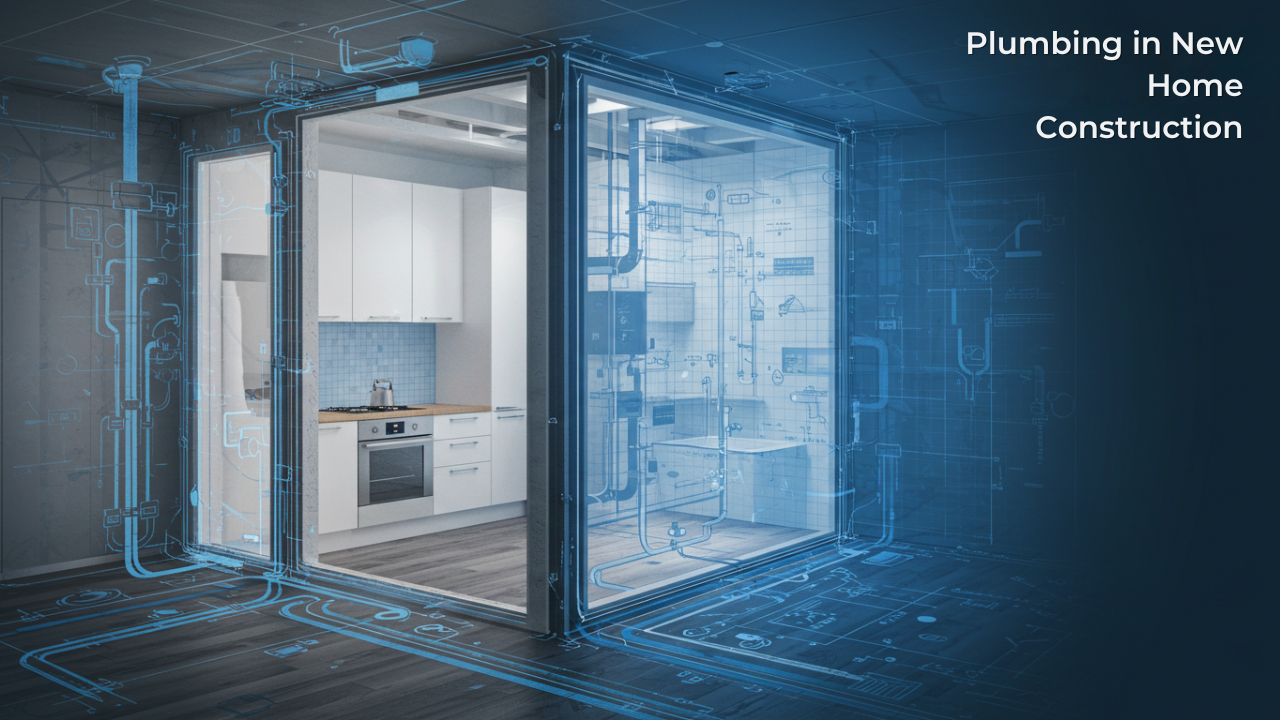
Building a new home is exciting, but plumbing in new home construction can quickly become overwhelming if you don’t plan properly. Most Twin Falls homeowners focus on the fun stuff—paint colors, flooring, and fixtures—while leaving the behind-the-walls work as an afterthought. That’s a mistake that can cost you thousands later.
At TRW Plumbing, we’ve seen too many beautiful new homes turn into costly headaches because the plumbing wasn’t done right from the start. The good news? With the right preparation and expert guidance, your new home’s plumbing can be installed smoothly, pass inspections on the first try, and serve your family reliably for decades.
Let’s walk through everything you need to know to get your new home plumbing project right the first time.
Your Essential New Home Plumbing Construction Checklist
Before a single pipe gets installed, you need a clear roadmap. A comprehensive new home plumbing checklist keeps your project organized and ensures nothing gets forgotten in the excitement of building.
Here’s what should be on every Twin Falls homeowner’s pre-construction plumbing checklist:
Planning Phase:
- Obtain all necessary permits from the Twin Falls Building Department
- Create detailed plumbing layout plans with your contractor
- Choose fixture locations for all bathrooms, kitchen, and utility areas
- Plan for special features (irrigation connections, water softener systems, or well hookups common in our area)
- Schedule rough-in inspection dates
Material Considerations:
- Select pipes rated for Idaho’s temperature extremes (we see everything from sub-zero winters to 100+ degree summers)
- Plan for proper insulation in crawl spaces and basements
- Consider upgrading to PEX piping for better freeze resistance
Local Requirements:
- Contact the Twin Falls Building Department early—residential plan reviews for new single-family homes typically take about 2 weeks for the first review, assuming your submittal is complete and accurate
- Factor in our area’s hard water when selecting fixtures and planning for water treatment systems
- Plan drainage that accounts for Idaho’s clay soil conditions
Getting these details sorted upfront prevents costly changes once construction begins. Most contractors appreciate homeowners who come prepared with a clear vision and realistic timeline.
Rough-In Stage: Setting the Foundation for Your Plumbing
The rough-in plumbing for new construction phase is where your home’s “skeleton” gets installed. Think of it as building the highway system before adding the cars—everything that happens later depends on getting this part right.
During rough-in, plumbers install all the pipes, drains, and vents inside your walls and under floors before drywall goes up. This typically happens after framing is complete but before insulation and electrical work.
What Gets Installed During Rough-In:
- Supply lines for hot and cold water to every fixture location
- Drain lines and waste pipes
- Vent stacks that allow proper drainage and prevent sewer gases
- Shut-off valves at key locations
- Pipe supports and proper sloping for drainage
In Twin Falls homes, we pay special attention to basement and crawl space installations. Our experience shows that improper pipe routing in these areas causes the most problems down the road. For example, pipes that run too close to exterior walls can freeze during our harsh winters, while inadequate support can lead to sagging and eventual leaks.
The rough-in inspection is absolutely critical. Once drywall covers everything up, fixing problems becomes exponentially more expensive. A good plumber will walk you through the installation and explain how everything works before the inspector arrives.
Understanding Your Plumbing Installation Timeline
One question we hear constantly is: “How long will this take?” The plumbing installation timeline varies based on your home’s size and complexity, but here’s what to expect for a typical Twin Falls new construction project:
| Phase | Tasks | Typical Duration |
|---|---|---|
| Phase 1: Planning & Permits | • Design review & permit application (Twin Falls permit review: ~10 business days)• Order & coordinate delivery of materials• Schedule work with other trades | 2–4 weeks |
| Phase 2: Rough-In Installation | • Install pipes, drains, and vents• Pressure test systems• Rough-in inspection (Mon–Fri, 9:30 am–4 pm) | 3–5 days |
| Phase 3: Mid-Build Work | • Install water heater & main fixtures• Connect to municipal water or well• Perform mid-construction inspection (if required) | 1–2 days spread over several weeks |
| Phase 4: Final Installation | • Install faucets, toilets, finish fixtures• Final testing & adjustments• Final inspection & system startup | 2–3 days |
Twin Falls Timing Considerations: Winter construction can add time to your timeline. Connecting to municipal water lines or installing septic connections might be delayed if ground conditions aren’t favorable. Plan accordingly if you’re building during December through March.
Spring and early summer are ideal for plumbing work in our area. The ground is workable, inspectors have better availability, and you won’t face weather-related delays.
Know the Plumbing Code Requirements for New Homes
Idaho follows the International Plumbing Code with some local amendments, and plumbing code requirements for new homes are more detailed than most people realize. While you don’t need to become a code expert, understanding the basics helps you make informed decisions and communicate effectively with your contractor.
Key Code Areas for Twin Falls Homeowners:
Water Supply Requirements:
- Minimum pipe sizes for different fixtures
- Proper pressure levels throughout the home
- Backflow prevention devices where required
Drainage and Venting:
- Proper slope requirements for drain lines (typically 1/4 inch per foot)
- Vent sizing and placement rules
- Clean-out access requirements
Fixture Installation Standards:
- Minimum clearances around toilets and other fixtures
- Proper support for heavy fixtures like cast iron tubs
- Accessibility requirements if applicable
Twin Falls Specific Considerations: Our area’s hard water means code compliance often includes planning for water treatment systems. Many homes also need special considerations for irrigation system connections, which require backflow prevention devices.
Working with licensed plumbers familiar with local codes is essential. They understand not just what the code requires, but how local inspectors typically interpret and apply those requirements. This knowledge can save you from costly re-work and inspection delays.
Budgeting Smart: The Real Cost of Plumbing a New House
Let’s talk numbers. The cost of plumbing a new house varies widely, but having realistic expectations helps you budget effectively and avoid unpleasant surprises.
For a typical 2,000 square foot Twin Falls home, plumbing installation typically ranges from $8,000 to $15,000, though costs can vary significantly based on current material prices and local market conditions. Here’s how costs generally break down:
Basic System Installation (60-70% of total cost):
- Rough-in plumbing: Generally $4,000-$7,000 range
- Water heater installation: Typically $1,200-$2,500 depending on type and efficiency
- Basic fixtures and installation: Usually $2,000-$4,000 based on fixture selection
Factors That Increase Costs:
- Multiple bathrooms (expect additional costs of $1,500-$3,000 per additional full bathroom)
- Basement bathrooms (typically add 20-30% due to ejector pump requirements)
- High-end fixtures and finishes
- Special features like heated floors or steam showers
Twin Falls Area Considerations:
- Water softener systems: Generally $800-$1,500 (highly recommended due to our hard water)
- Irrigation connections: Typically $300-$800
- Well system integration: Usually $500-$1,500
- Sump pump installation: Generally $400-$800 (common in areas with high water tables)
Note: All cost estimates are subject to current material prices, labor rates, and market conditions. Contact local contractors for current pricing specific to your project.
Money-Saving Tips: Choose fixture locations carefully during planning—moving them later is expensive. Consider running extra supply lines to areas where you might add fixtures later (basement bar, future bathroom). The incremental cost during construction is minimal compared to retrofitting.
Invest in quality pipes and fittings. Cheap materials might save money upfront but often cost more in repairs and replacements over time.
Why Plumbing Inspections Are Non-Negotiable
Some homeowners view plumbing inspection for new construction as just another bureaucratic hurdle. That’s a dangerous mindset. Inspections protect your investment and ensure your family’s safety.
What Inspectors Look For:
Rough-In Inspection:
- Proper pipe sizing and support
- Correct drain slopes and vent connections
- Pressure testing results (pipes must hold pressure without leaking)
- Code compliance for pipe routing and fixture connections
Final Inspection:
- All fixtures properly installed and functioning
- Hot and cold water delivery to all locations
- Proper drainage from all fixtures
- Gas connections for gas water heaters (if applicable)
Common Inspection Failures: Based on our experience, these issues cause most inspection failures in Twin Falls:
- Inadequate pipe support in crawl spaces
- Incorrect vent sizing or placement
- Improper drain slopes
- Missing or incorrectly installed clean-outs
- Pressure test failures due to loose connections
Our Approach to Passing First Time: At TRW Plumbing, we conduct our own pre-inspection before calling the official inspector. This internal quality check catches problems early when they’re easy to fix. We also maintain detailed photos of all rough-in work, which helps if questions arise later.
Failed inspections aren’t just inconvenient—they delay your entire construction schedule and can cost hundreds of dollars in re-inspection fees and contractor time.
Finding the Right Twin Falls Plumbing Contractors
Not all plumbers are created equal, and choosing the wrong contractor for your new construction can create problems that last for decades. Here’s how to find qualified Twin Falls plumbing contractors who will do the job right.
Essential Qualifications:
- Current Idaho plumbing license (verify this online through the Idaho Division of Occupational Professional Licenses)
- General liability and workers’ compensation insurance
- Local building permit experience
- References from recent new construction projects
Questions to Ask Potential Contractors:
- How many new homes have you plumbed in the Twin Falls area?
- What’s your approach to passing inspections on the first try?
- Do you handle permit applications or do I need to manage that?
- What warranty do you provide on your work?
- Can you provide references from recent customers?
Red Flags to Avoid:
- Contractors who can’t produce proof of licensing and insurance
- Bids that seem too good to be true (they usually are)
- Pressure to sign contracts immediately
- Unwillingness to explain their work process or answer questions
- No local references or established business presence
Why Local Experience Matters: Twin Falls has unique characteristics that out-of-area contractors might not understand. Our hard water conditions, soil types, climate extremes, and local inspector preferences all impact plumbing installation. A contractor familiar with these factors can anticipate and avoid problems that surprise newcomers.
At TRW Plumbing, our three-generation local experience means we understand not just how to install plumbing systems, but how they perform over time in our specific environment. We’ve seen what works and what doesn’t in Twin Falls homes.
Final Steps Before Move-In: Plumbing in Your New Home Construction
You’re almost there! The final phase of your plumbing project sets the stage for years of trouble-free operation.
Pre-Move-In Checklist:
- Walk through with your plumber to understand your home’s systems
- Learn the location of main shut-off valves and individual fixture stops
- Understand your water heater operation and maintenance requirements
- Get copies of all permits and inspection certificates for your records
- Schedule any recommended maintenance (water heater flush, water softener setup)
System Startup Tips: Turn water on gradually and check for leaks at all connections. Run water at each fixture to ensure proper flow and drainage. Test your water heater and familiarize yourself with its controls.
If you have a water softener or treatment system, make sure you understand the maintenance schedule and initial setup requirements.
Planning for Long-Term Success: Keep documentation of your plumbing installation, including photos of pipe routing and fixture locations. This information becomes invaluable if you ever need repairs or want to make modifications.
Consider scheduling an annual plumbing maintenance check. Like any other home system, preventive maintenance is much less expensive than emergency repairs.
Getting plumbing right in new home construction requires careful planning, attention to detail, and working with experienced professionals who understand local conditions and requirements. The investment in doing it properly from the start pays dividends in comfort, reliability, and peace of mind for years to come.
If you’re planning a new home in Twin Falls or the surrounding area, TRW Plumbing is here to help guide you through the process. From initial planning to final inspection, our team brings decades of local experience to ensure your plumbing installation is done right the first time. Call or text us at (208) 423-3276 to discuss your new construction plumbing needs and get started on building the home of your dreams.
Frequently Asked Questions
What are the steps for plumbing in new home construction? The main steps are: planning and permits, rough-in installation, mid-build connections, final fixture installation, and inspections. Each phase must be completed properly before moving to the next.
How much does it cost to plumb a new house in Twin Falls? For a typical 2,000 square foot home, expect $8,000-$15,000. Costs vary based on home size, number of bathrooms, fixture quality, and special features like water softeners or basement bathrooms.
What is included in a new home plumbing checklist? A comprehensive checklist includes permits, layout planning, material selection, rough-in scheduling, inspection coordination, and final fixture installation. Local considerations like hard water treatment and irrigation connections should also be included.
How long does rough in plumbing take for new construction? Rough-in typically takes 3-5 days for an average home, depending on size and complexity. This includes installing all pipes, drains, vents, and completing the pressure test and inspection.
Do I need a plumbing inspection for new home construction? Yes, plumbing inspections are required by code. Most areas require both rough-in and final inspections. These protect your investment and ensure code compliance and safety.
What plumbing codes should Idaho homeowners know about? Idaho follows the International Plumbing Code with local amendments. Key areas include proper pipe sizing, drainage slopes, venting requirements, and fixture installation standards. Working with licensed local contractors ensures compliance.
Can I install my own plumbing in a new house? While some jurisdictions allow homeowner installation, most require licensed plumbers for new construction. Even where allowed, the complexity and inspection requirements make professional installation advisable.
How do I find the best plumbing contractors in Twin Falls? Look for current licensing, insurance, local experience, and recent references. Verify credentials online and ask detailed questions about their new construction process and warranty policies.
What’s the most common plumbing mistake in new builds? Inadequate planning is the biggest mistake. This includes poor fixture placement, insufficient pipe support, incorrect sizing, and failing to account for local conditions like hard water or soil types.
How can I speed up my plumbing installation timeline? Start with detailed planning, obtain permits early, coordinate with other trades effectively, and choose experienced contractors familiar with local inspection requirements. Avoid changes once construction begins.
We’re proud to partner with LeadProspecting Ai to bring you insights that help your business grow through smarter, AI-driven lead management.